
Alley-Up from Hasbro (1971)
Released by Hasbro in 1971, Alley-Up was a dexterity game that challenged players to guide a steel marble uphill through a zigzag maze by rocking the playing surface from side to side.
 Happy National Godzilla Day!
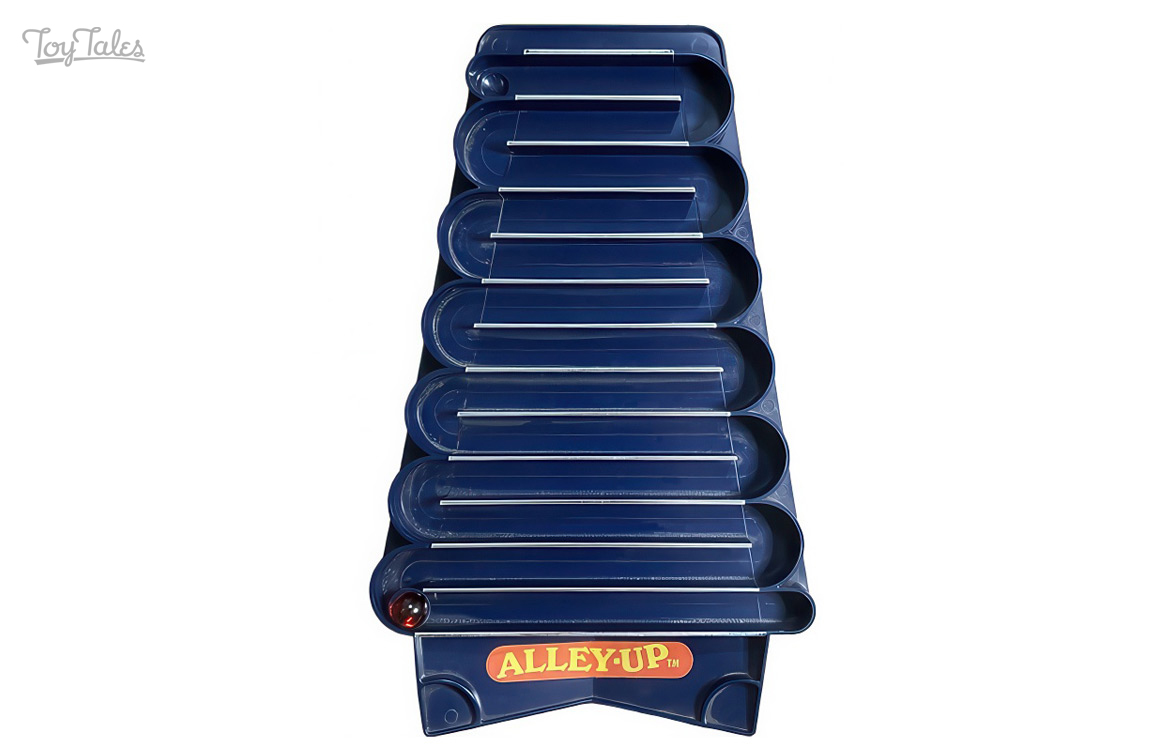
Released by Hasbro in 1971, Alley-Up was a dexterity game that challenged players to guide a steel marble uphill through a zigzag maze by rocking the playing surface from side to side.
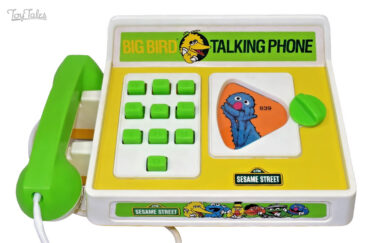
Released by Hasbro in 1983, the Big Bird Talking Phone invited children to catch up with their favourite Sesame Street characters through a touchtone telephone.
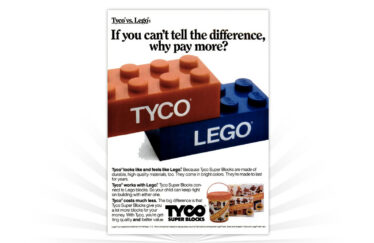
Tyco took direct aim at Lego in the 1980s, promoting its compatible Super Blocks with the provocative question, “If you can’t tell the difference, why pay more?”

From ancient India to family game nights around the world, this installment of Game Night Classics explores the origins, variations, and enduring popularity of Sorry!
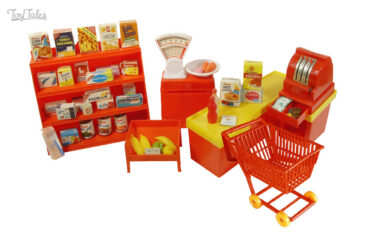
Released by Amsco in 1965, the Toy Supermarket Playset was a play shopping centre containing more than 125 pieces.
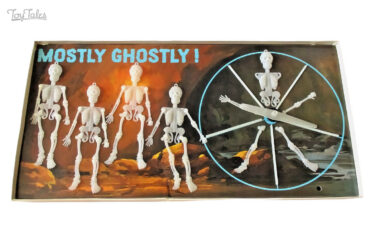
Released by Cadaco in 1975, Mostly Ghostly was a spin-and-play game that challenged players to assemble glow-in-the-dark skeletons.
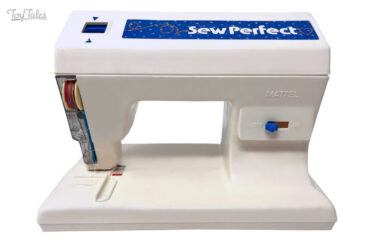
Mattel’s Sew Perfect sewing machine used an enclosed needle-and-thread cassette to make sewing clothing, accessories, and craft projects easier for children.
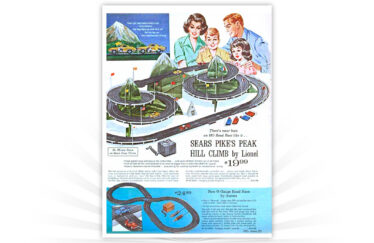
Lionel’s Pike’s Peak Hill Climb brought tag-team racing to the tabletop with four cars tackling 22 feet of mountainous HO track.
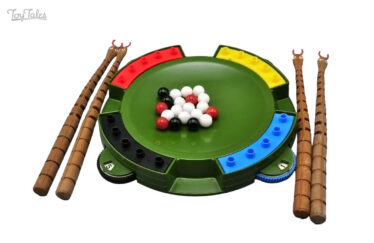
Released by Kohner in 1969, Snakes in the Grass combined dexterity, speed, and hand-eye coordination in a race to collect a clutch of snake eggs.