Toy Supermarket Playset from Amsco (1965)
Released by Amsco in 1965, the Toy Supermarket Playset was a play shopping centre containing more than 125 pieces.
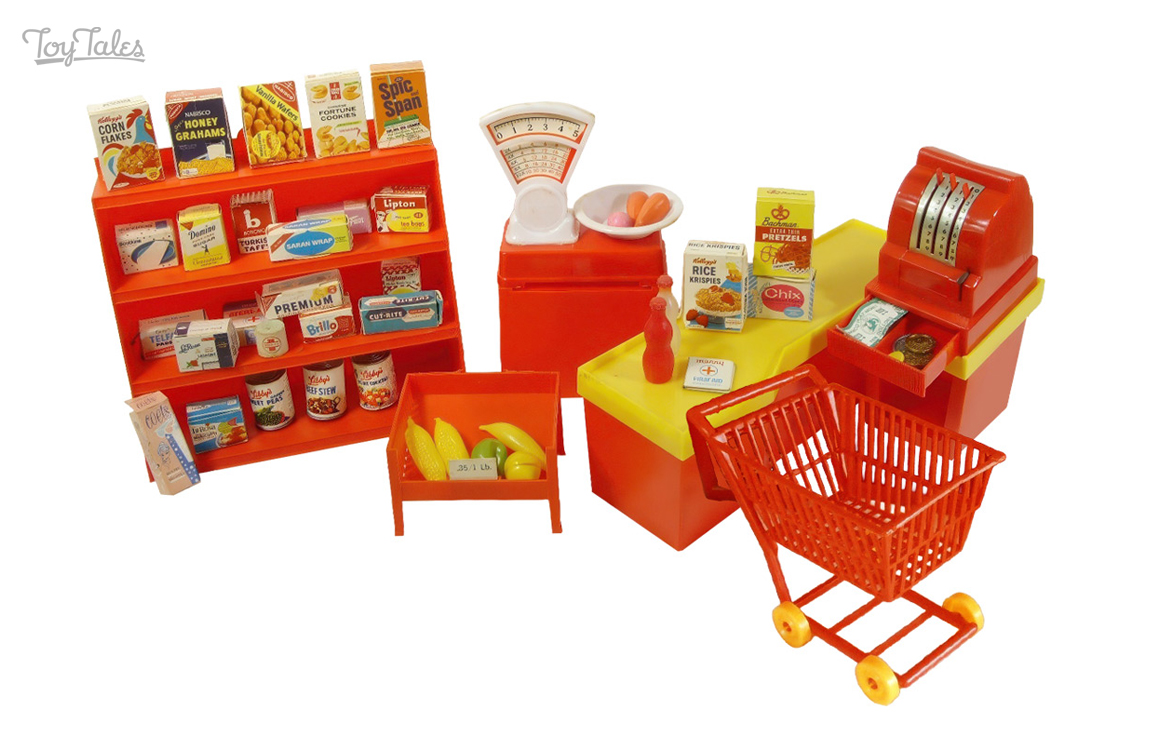
Released by Amsco in 1965, the Toy Supermarket Playset was a play shopping centre containing more than 125 pieces.
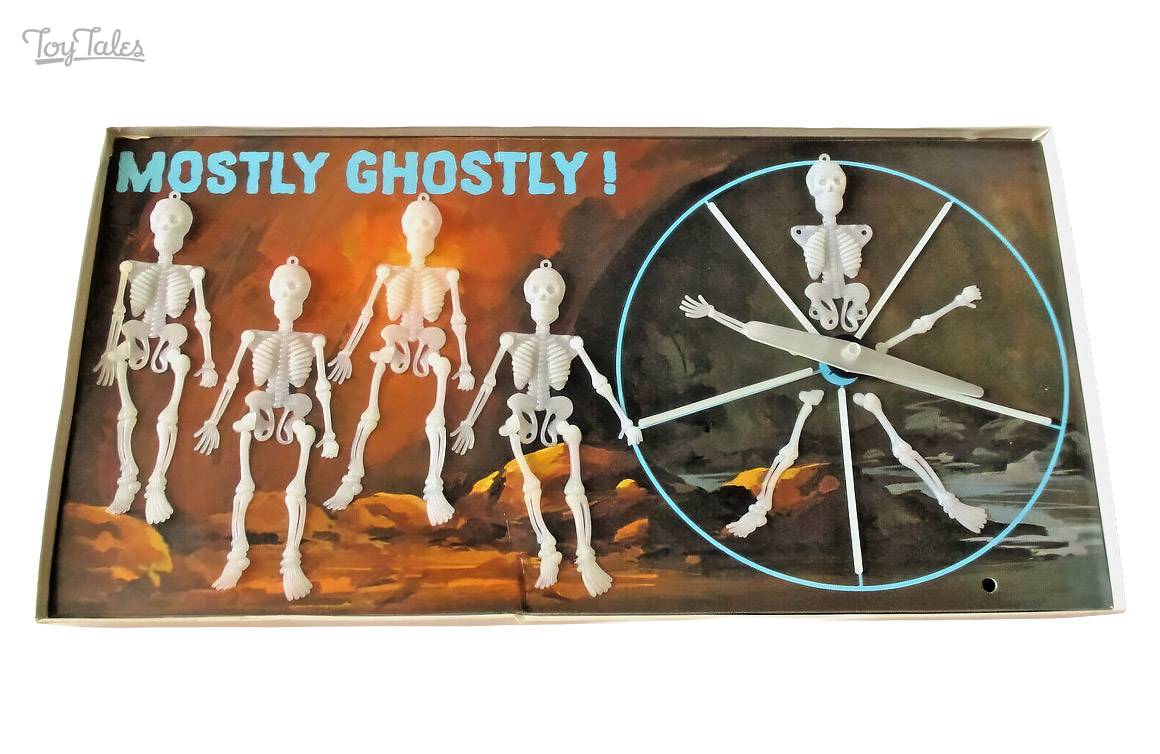
Released by Cadaco in 1975, Mostly Ghostly was a spin-and-play game that challenged players to assemble glow-in-the-dark skeletons.
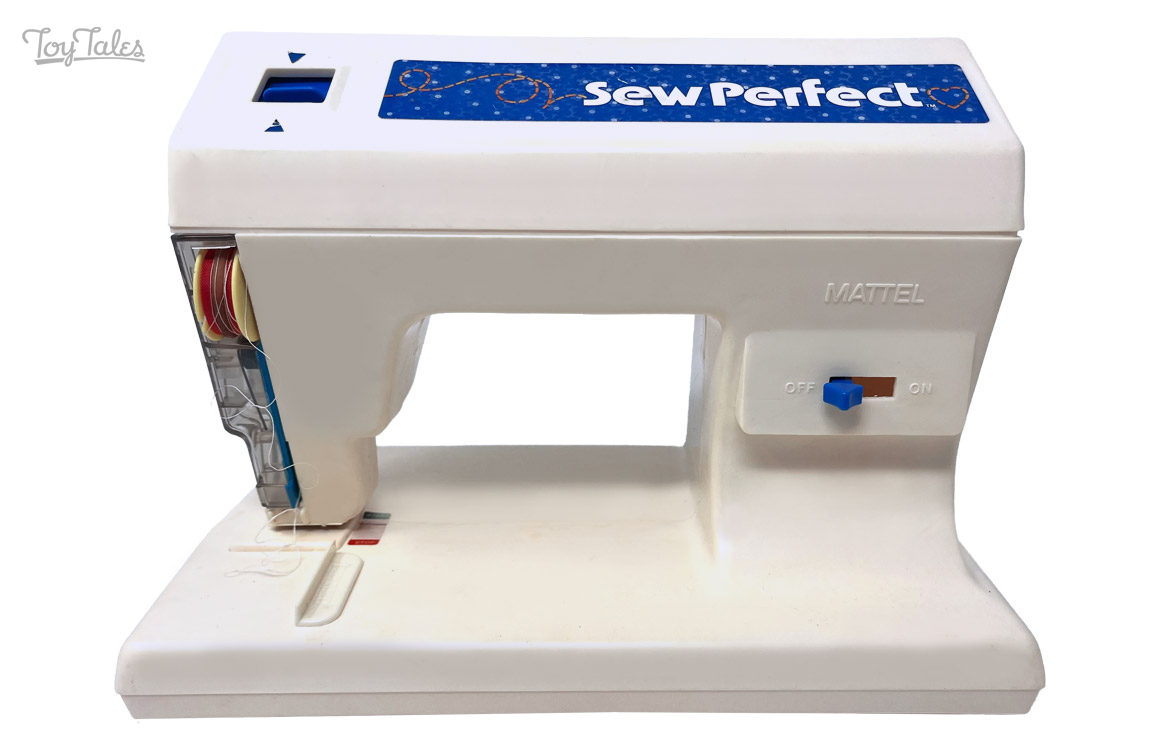
Mattel’s Sew Perfect sewing machine used an enclosed needle-and-thread cassette to make sewing clothing, accessories, and craft projects easier for children.
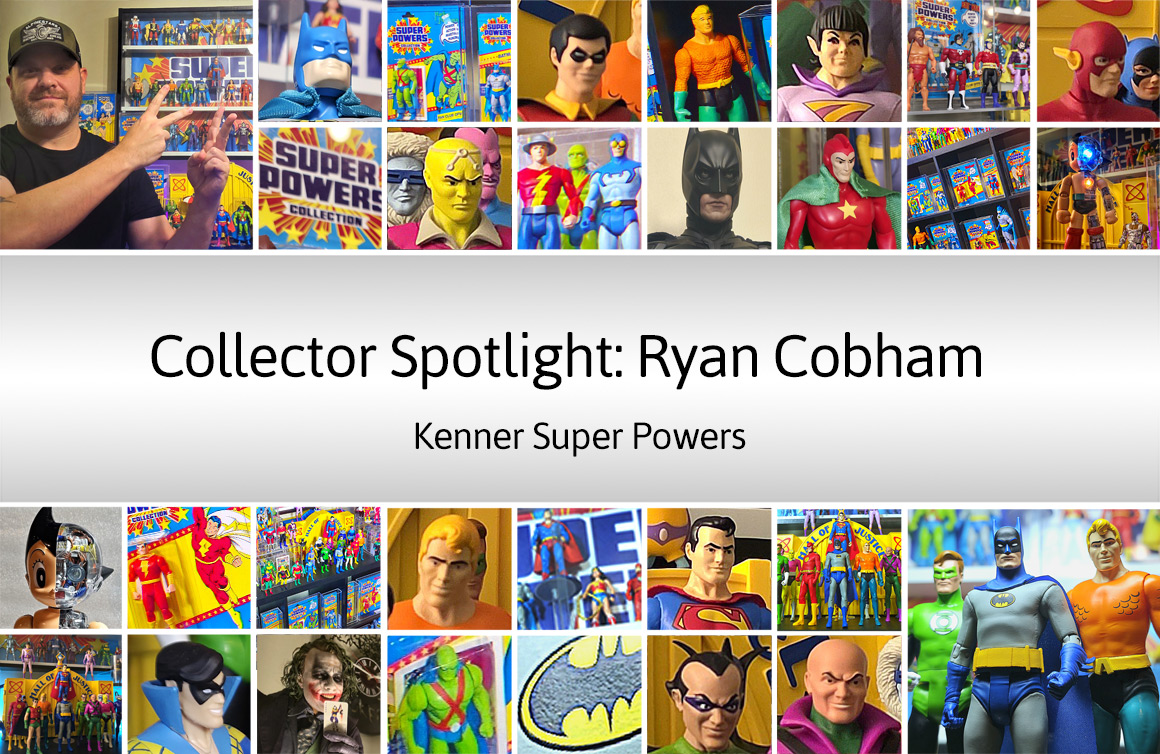
Ryan Cobham collects Kenner Super Powers figures. In this Collector Spotlight, he explains the vital role of research and knowledge in collecting and why nostalgia continues to fuel his passion for the iconic line.
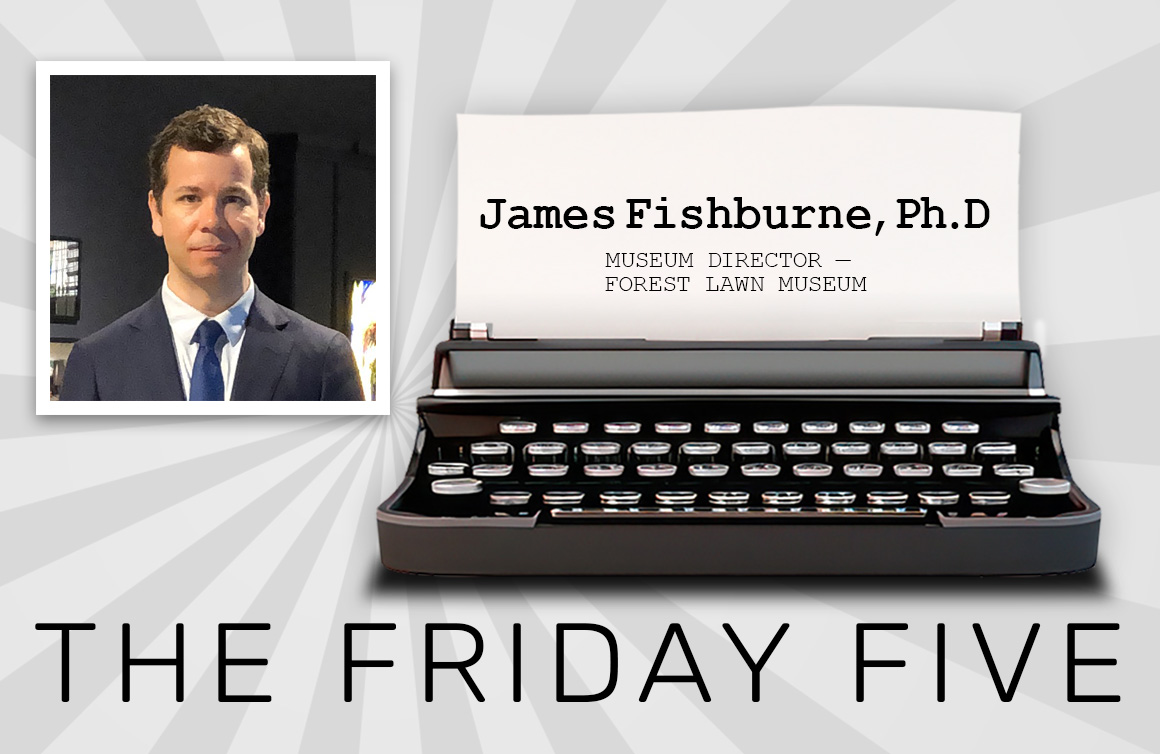
James Fishburne is Director at Forest Lawn Museum. In this edition of The Friday Five, James discusses the personal and creative relationship between Walt Disney and Forest Lawn founder Hubert Eaton, and the California Visionaries: The Lives and Legacies of Walt Disney and Hubert Eaton exhibit it inspired.
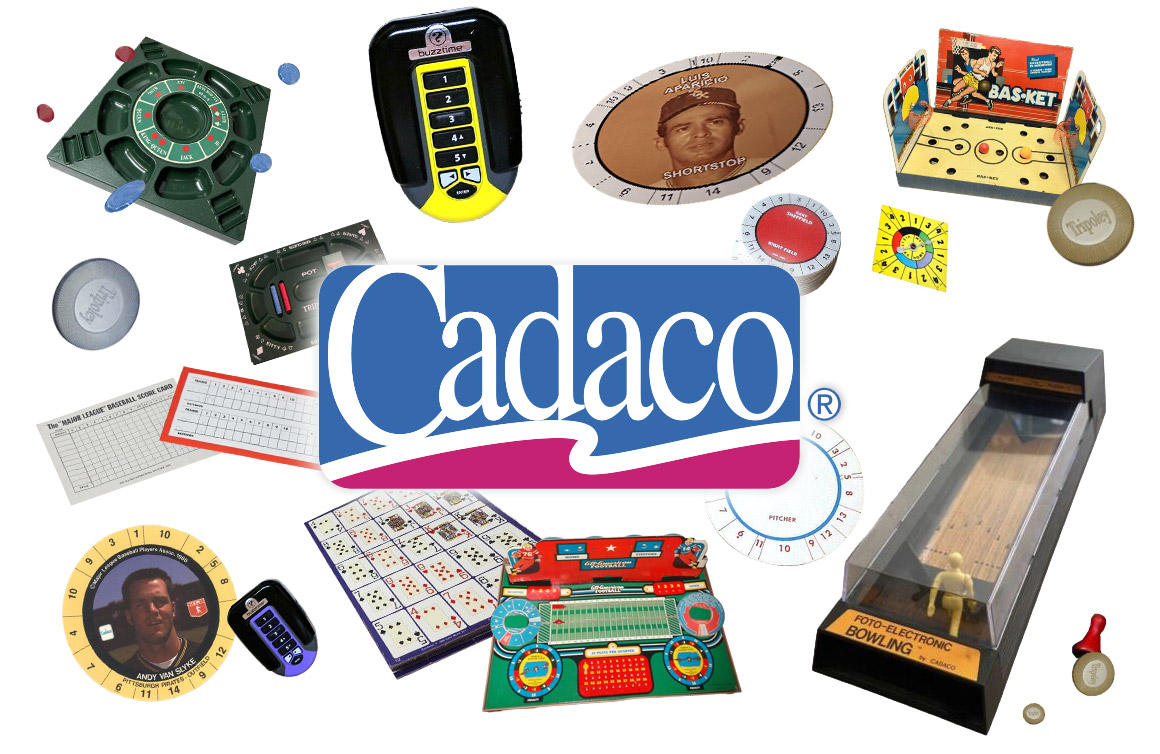
Explore the 75-year history of Cadaco, the American game company behind Tripoley, All-Star Baseball, and generations of inventive tabletop play.

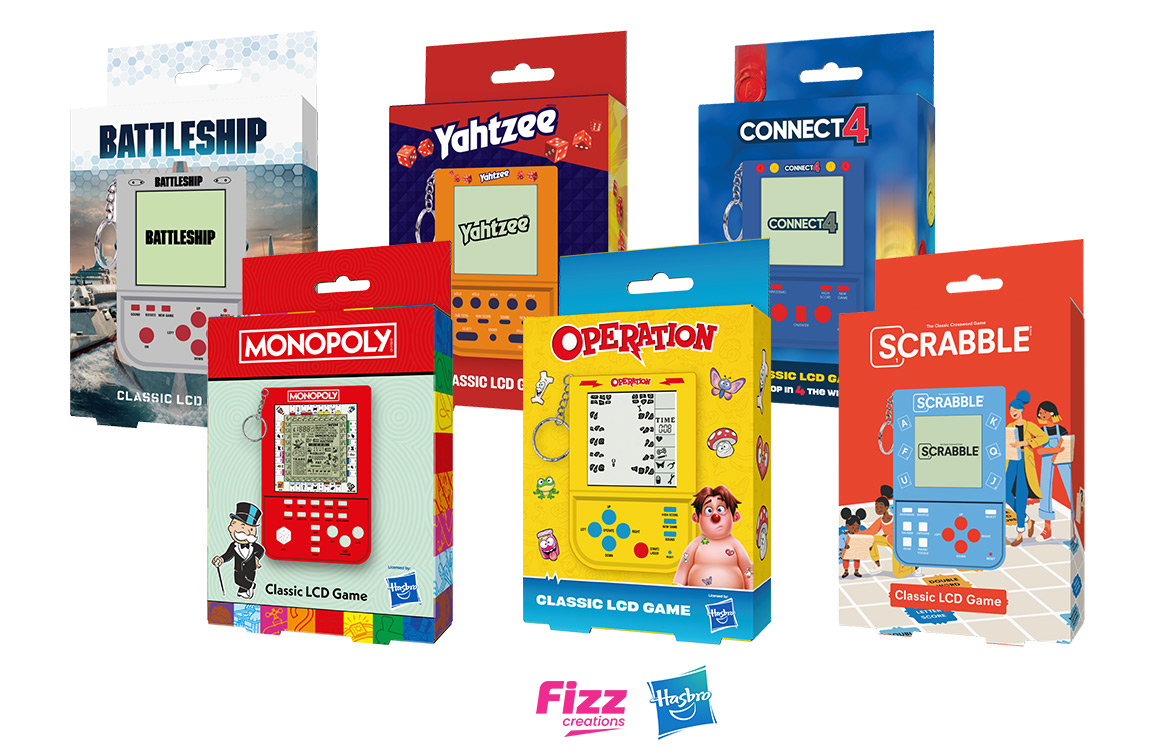
Fizz Creations partners with Hasbro to develop new digital games based on classic Hasbro titles.
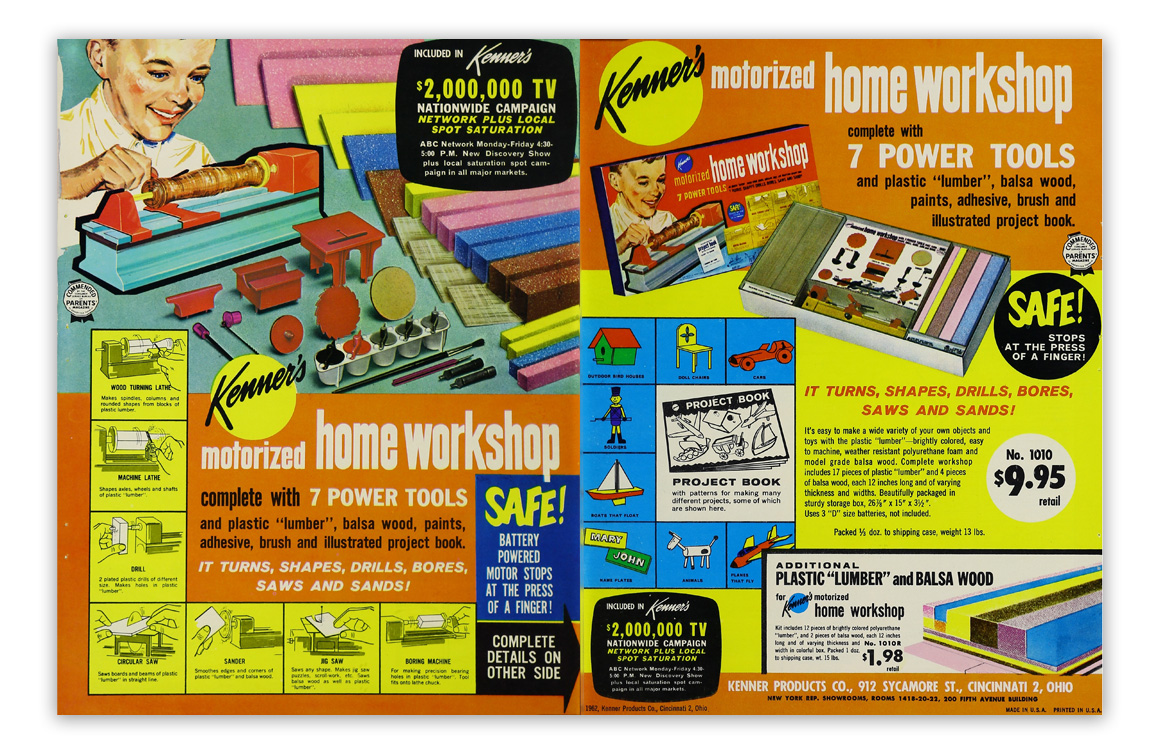
A 1962 brochure from Kenner for the Motorized Home Workshop, a battery-powered woodworking set featuring seven miniature power tools.

Documenting provenance can preserve the history behind your vintage toys. Here are four tips for keeping purchase records and important details together.

As reported by Market.US, the board games market was valued at $14.1 billion USD in 2023 and is expected to reach $38.6 billion USD by 2033.

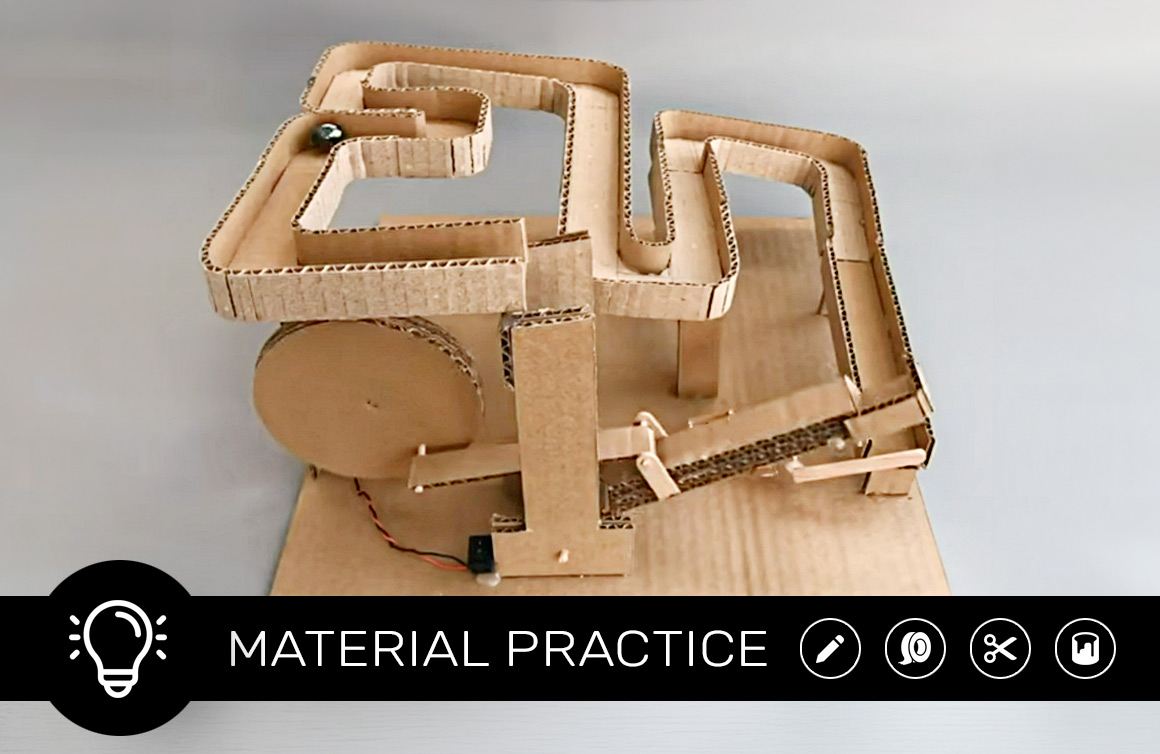
Build a cardboard marble run—complete with elevator lift—with this tutorial from the Liberman YouTube channel.
“Fast or slow; you can give it all you’ve got.”