
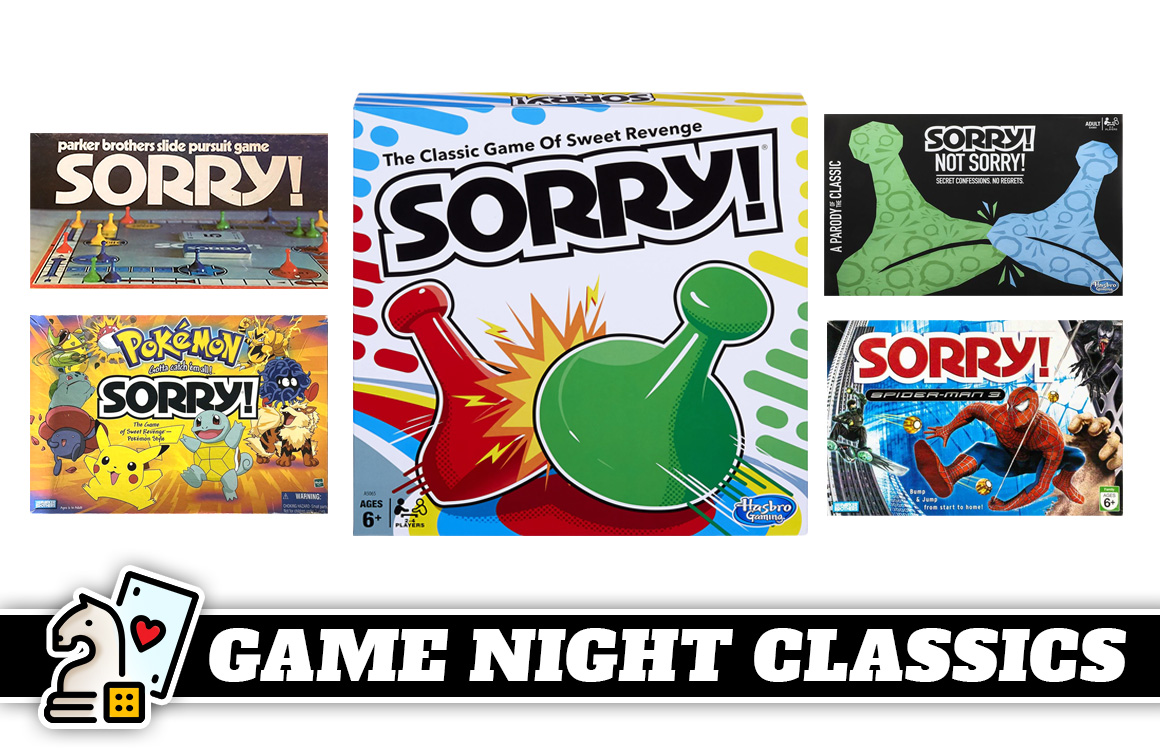
William Henry Storey developed the board game Sorry! in England, patenting and trademarking it in 1929. Manufactured by Waddingtons, the well-known English game publisher, the real backstory of this popular family game is much more ancient.
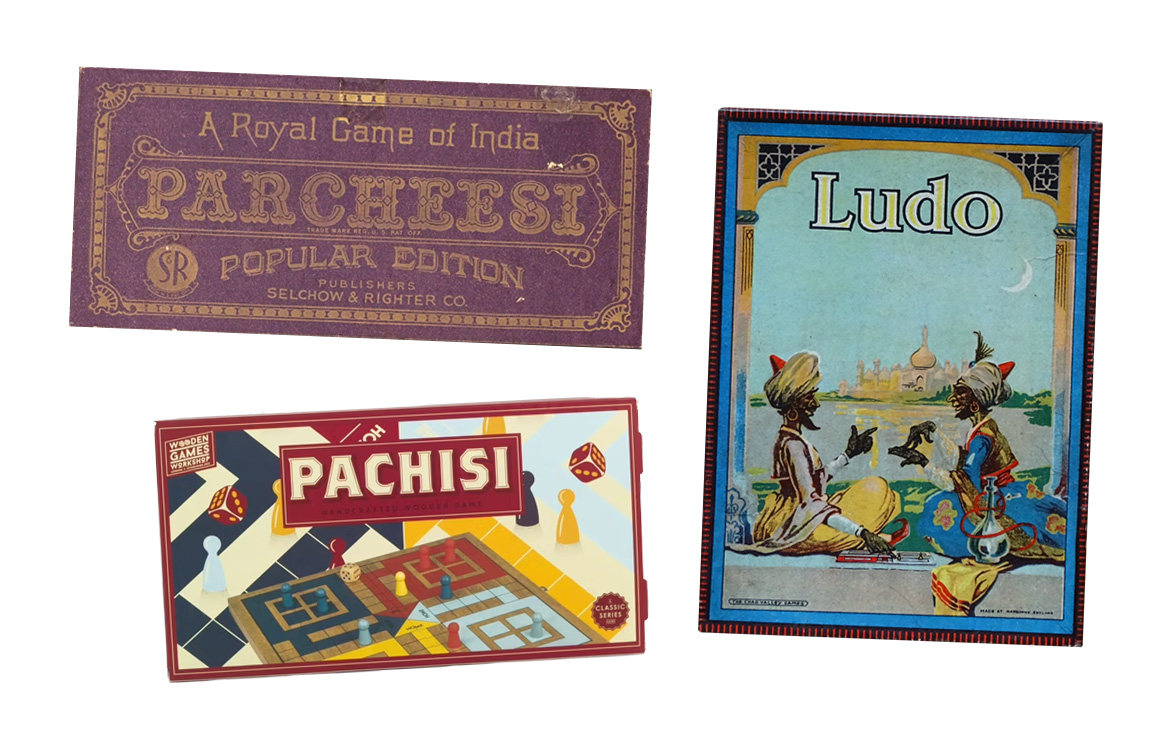
The game is descended from Pachisi, an Indian cross and circle game that became known in England through its colonization of India. Pachisi was played in medieval India and is mentioned in a 15th-century text, although scholars believe its origins are much older. Researchers have also noted similarities to Patollli, a Central American game considered perhaps the oldest game in the Americas, prevalent in all ancient Mexican cultures. Played on a similar cloth board, Patolli also incorporated an element of gambling.
Why would such a similar game appear in ancient Central America and India? The game’s history is full of surprises.
INSPIRATION
William Storey was familiar with Ludo, an English game from 1896 based on Pachisi with simplified rules. He made specific rule changes to his game, Sorry!, replacing dice with card-controlled movement.
Variations of Ludo appeared throughout Europe, Eastern Europe, Scandinavia, Colombia, China, and the Middle East, all under different names and rule variations. Many of these games or their descendant versions are still played.
PARKER BROTHERS
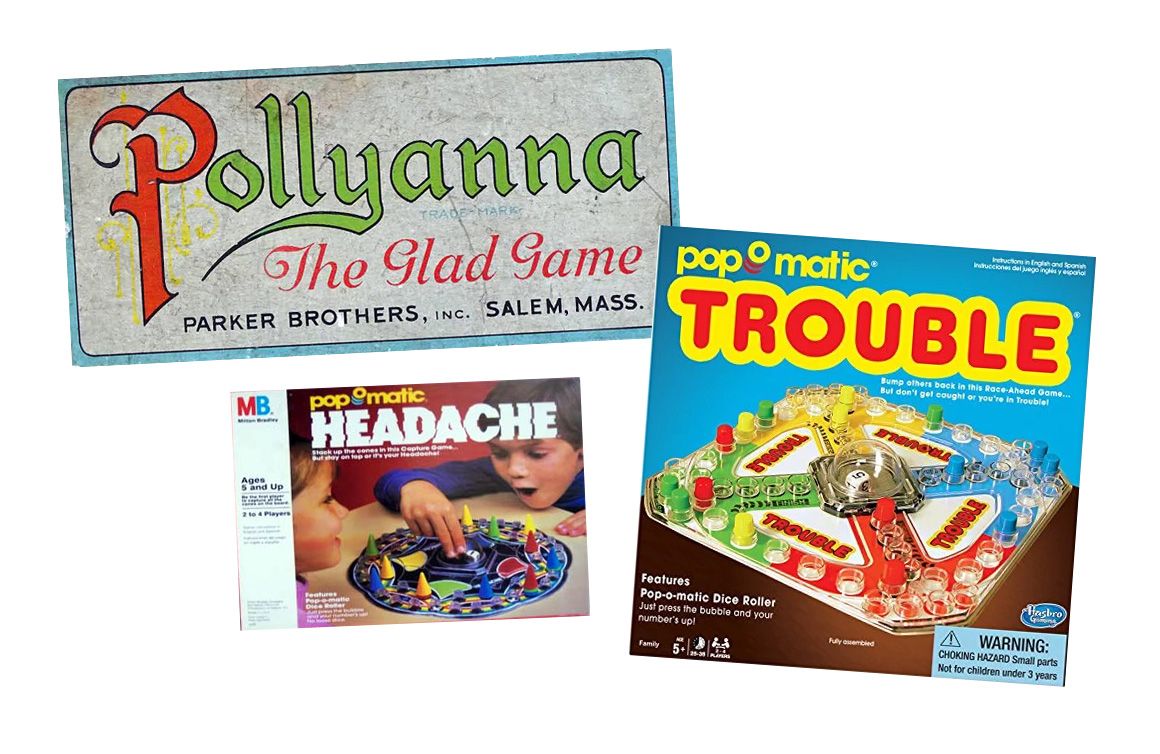
Parker Brothers licensed Sorry! and introduced it to the United States in 1934. But in 1867, Selchow & Righter had purchased the rights to the Anglo-Indian Pachisi game and named it Parcheesi. American variations of the earlier game have appeared as Home and Pollyanna.
In most of these games, players vie to be the first to move their four pieces around the game board and reach the safety of home. Should one piece land on a square occupied by an opponent, the opponent’s piece is bumped back to the beginning. In Sorry! the bumper’s polite or sarcastic “Sorry!” gives the game its name. Parker Brothers also modified the rules according to its own game research.
HASBRO
Hasbro, which acquired Parker Brothers, has released multiple versions of the game, including Sorry! Pokémon to Sorry! Spider-Man 3.
In 2018, Hasbro introduced Sorry! Not Sorry!, an adult-oriented variation as part of its own parody versions of some of its most popular games beginning in 2018. This edition includes adult-themed “Have you ever…?” cards within the regular deck. Beginning with a handheld version in 1996, numerous video game adaptations of Sorry! have brought the familiar board game to new platforms.
VARIATIONS
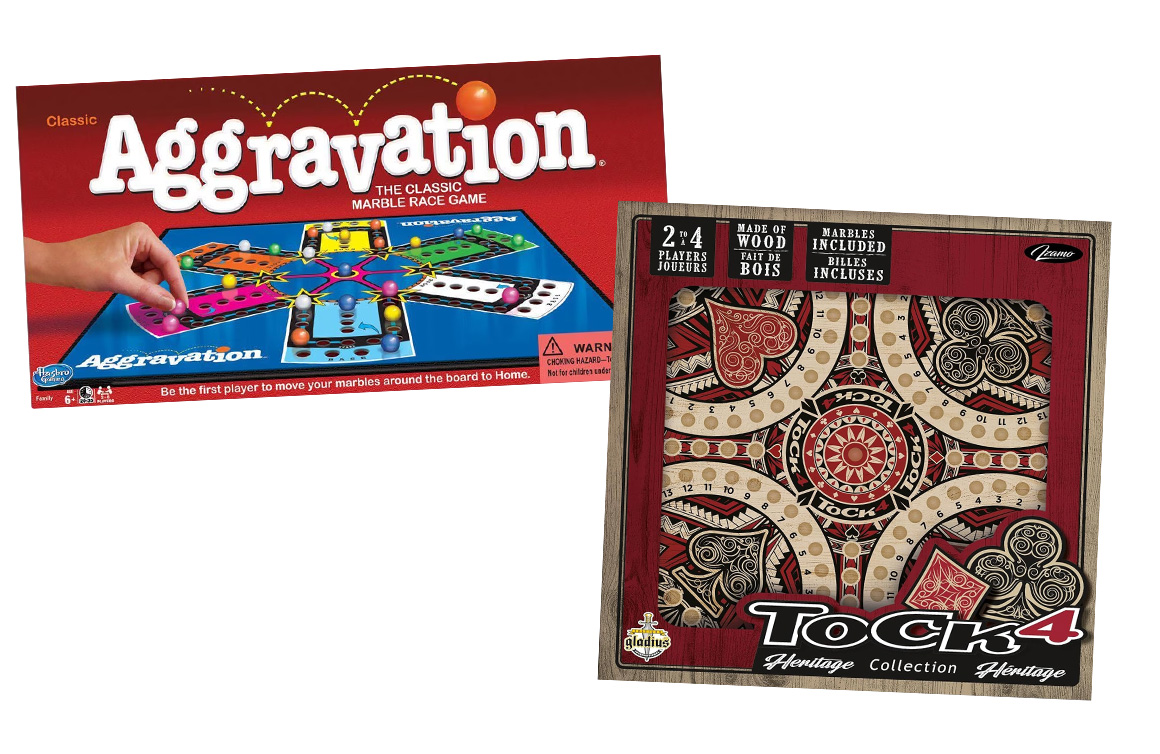
Folk games and locality versions of this game, whether based on Parcheesi, Ludo, or Sorry! appear all over North America. Even Parker Brothers published similar games including Aggravation, and the game Trouble, with its “Pop-O-Matic” dice roller.
Britain has the game Headache, and Canada has a game called Tock (or Tuck or Pock, depending on which province) played with marbles or tokens and a card-driven mechanic. Scholars believe this game came first to Quebec with its early settlers. Whatever the name, Sorry! and the other Pachisi variants may well represent one of the oldest board games in the Common Era (A.D.) Still played over much of the world, these games deserve further study. What and where was the origin? Why did variants appear in so many places? Let the games and the research begin!
LEGACY
In October 2026, The Strong National Museum of Play announced Sorry! as one of the finalists for induction to the National Toy Hall of Fame. The inductees will be announced in November.
