

Some games reflect, directly or indirectly, the culture of the era in which they were created. Economic conditions, social attitudes, and popular aspirations often find their way into game design, leaving behind more than entertainment. They become snapshots of their time.
DEPRESSION-ERA DREAMS
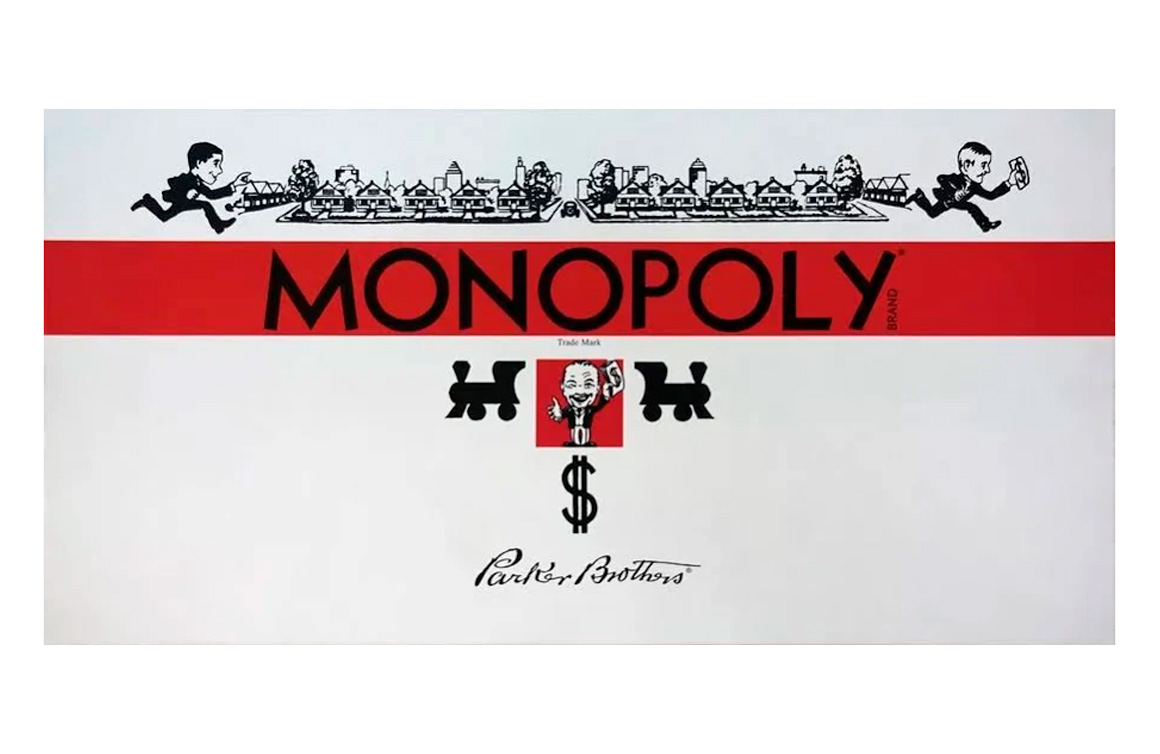
Although its origins predated the Great Depression, Monopoly became a cultural phenomenon during the 1930s. Winning the game meant becoming rich while bankrupting every opponent, a lofty and apparently enjoyable fantasy during one of the most difficult economic periods in modern history. Unlike many money-themed games that followed, Monopoly stood in contrast to the financial hardships of the day, allowing players to imagine success and prosperity when both were in short supply.
POST-WAR PROSPERITY
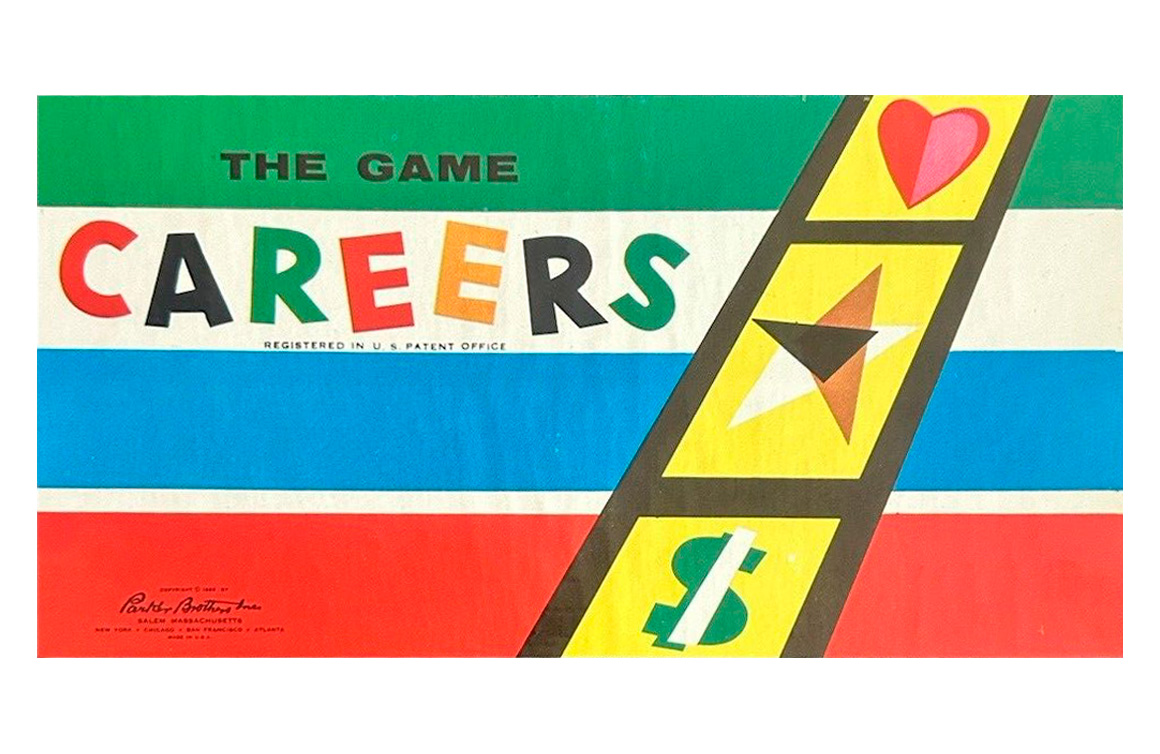
The optimism of the post-war years was reflected in Careers, first published in 1955. Released by numerous publishers around the world before eventually becoming part of the catalogues of Parker Brothers, Hasbro, and now Winning Moves Games, the game has remained remarkably adaptable. Players pursue career paths that earn points for fame, happiness, and money, reflecting many of the aspirations associated with the 1950s.
As society changed, so did the game. Later editions introduced career choices that reflected contemporary expectations and attitudes toward work and gender. Early versions offered markedly different career options for boys and girls, while later editions presented a broader range of professions and opportunities. For more than 70 years, Careers has quietly chronicled changing ideas about success and the working world.
THE ROAD TO RICHES…OR RUIN
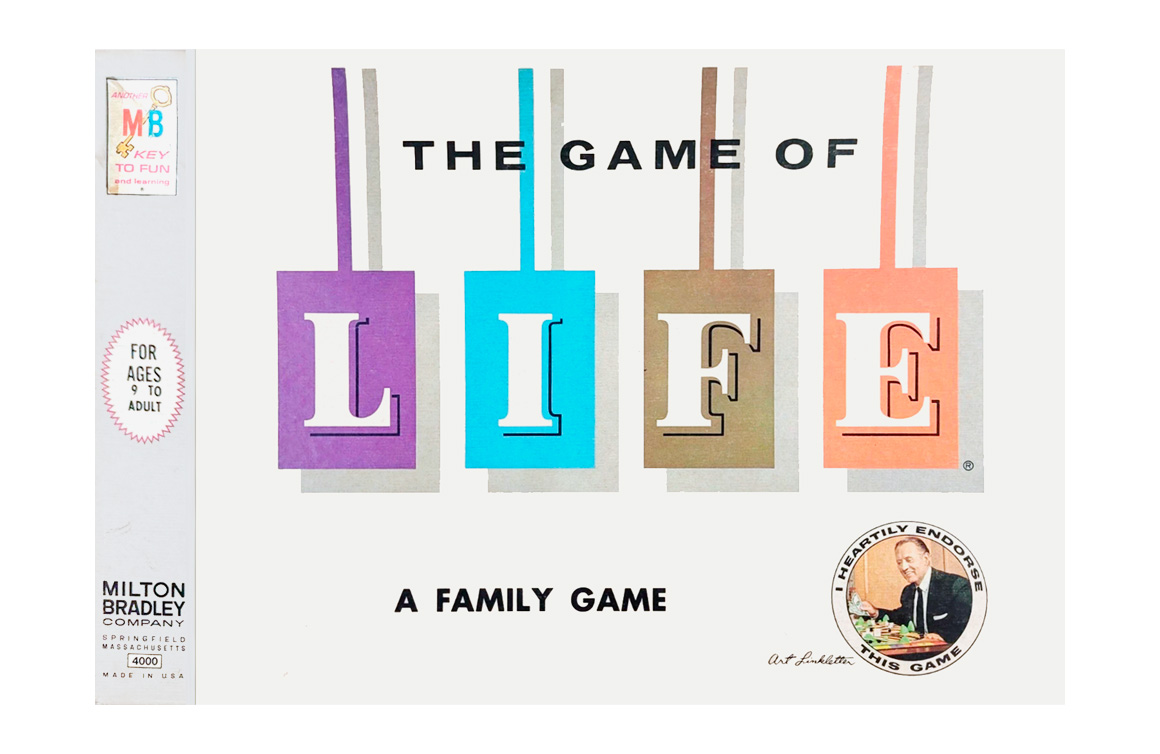
Post-war optimism also influenced Milton Bradley’s The Game of Life, introduced in 1960. Guided by a spinner, players navigate familiar milestones, deciding whether to enter the workforce immediately or invest time in a college education. The longer educational route generally leads to greater financial rewards, reinforcing the era’s belief in education as a pathway to success.
Near the end of the game, players can risk everything in hopes of reaching Millionaire’s Acres or play it safe and finish at the Poor Farm. The player who retires with the greatest wealth wins. Later editions softened these harsher consequences, but the original game captured many of the aspirations and risks that defined the American dream during the early 1960s.
STRETCHING EVERY DOLLAR
By the early 1980s, the economic climate had changed. Following a brief recession in 1980, North America entered a severe recession during 1981 and 1982. Inflation remained high, and interest rates climbed dramatically.
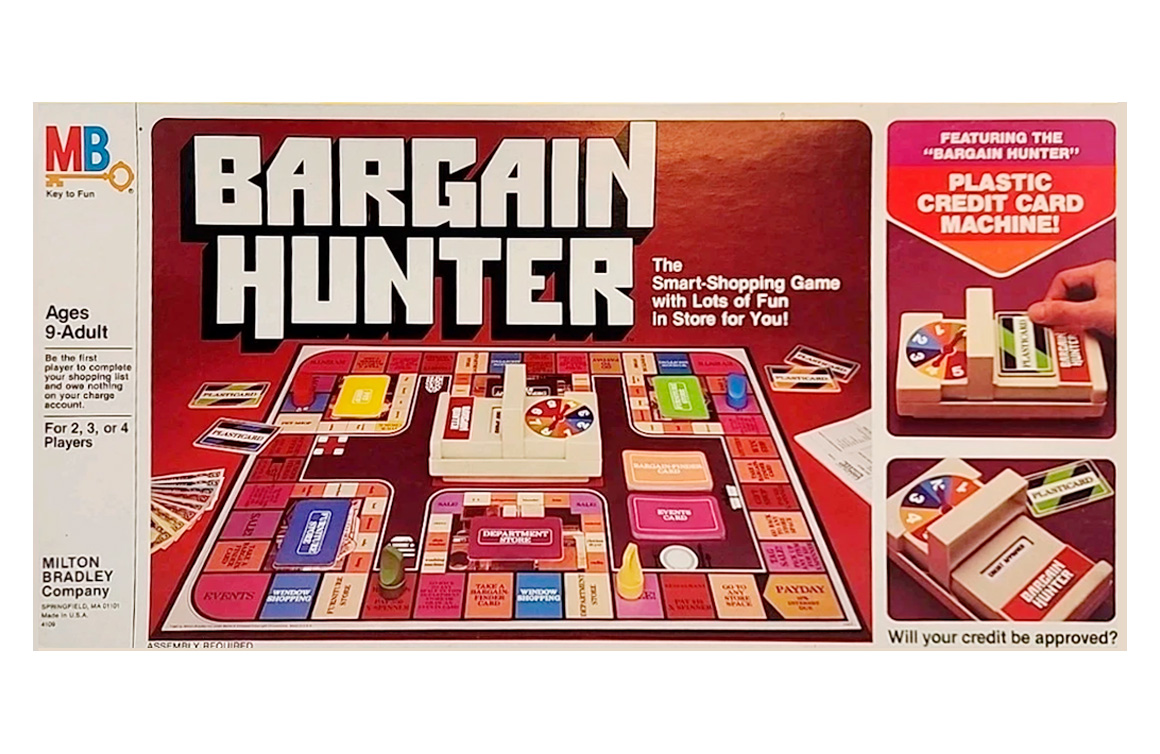
Milton Bradley’s Bargain Hunter, published in 1980, challenged players to furnish an apartment on a $1,000 budget while avoiding financial setbacks. Like Monopoly, players collected a payday as they circled the board, but the emphasis was no longer on accumulating wealth. Instead, success depended on stretching every dollar.
The game’s own rules made its inspiration clear:
“Are you ready to test your inflation-fighting skills in the marketplace? Bargain Hunter challenges you to furnish an apartment (complete with two different pets) in the most economical fashion possible…”
It is difficult to imagine furnishing much of anything with $1,000 today, but the game captured the financial concerns that many families faced at the time.
THE MALL GENERATION
As prosperity returned during the late 1980s, consumer spending became part of popular culture. Indoor shopping malls reached the height of their popularity, serving as both retail destinations and social gathering places.
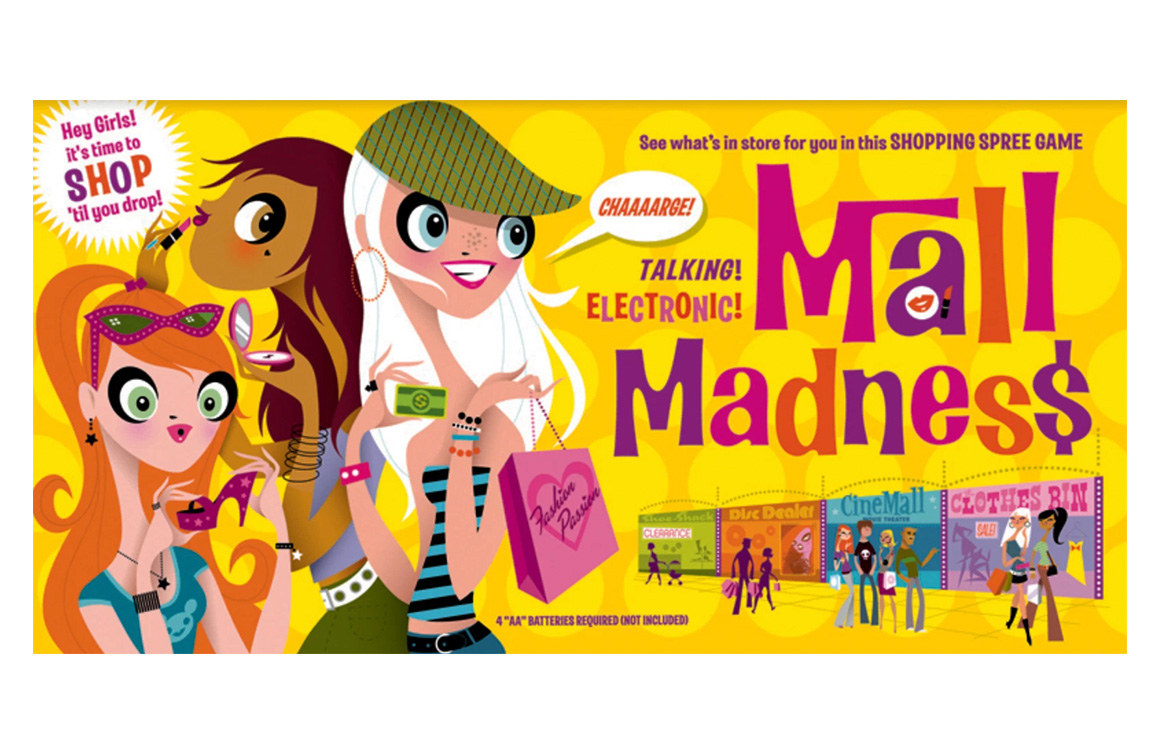
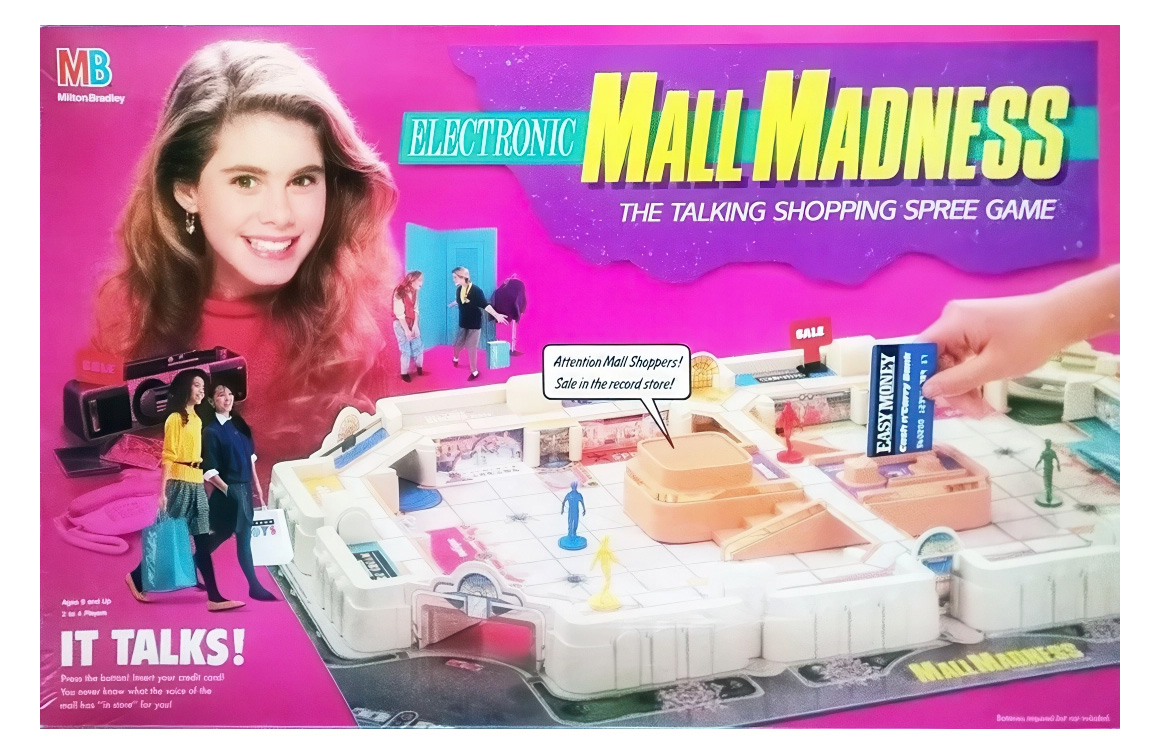
Milton Bradley’s Mall Madness, introduced in 1988, became a favourite among tweens and remains fondly remembered by many who grew up during the era. A year later, Electronic Mall Madness expanded the concept with an ATM card and an electronic voice that guided players through their shopping spree. Rather than encouraging thrift, the objective was to spend money as quickly as possible while racing through the mall, perfectly capturing the consumer culture of the late 1980s.
Whether reflecting economic hardship, post-war optimism, inflation, or consumer culture, board games often preserve a snapshot of the world in which they were created. Looking back at these titles offers more than nostalgia. They provide a glimpse into the priorities, concerns, and aspirations of earlier generations. Future collectors may one day look at today’s games in much the same way, finding clues about the culture that shaped them.
