
“I have an idea. What do you think?”
In 1984, Pleasant T. Rowland, a former teacher, television news reporter, and textbook author, travelled to Colonial Williamsburg with her husband. During that trip, a quiet but powerful idea began to take shape. Sitting on a bench beneath a tree in the living history museum, she found herself wondering: “Is there a way to bring history to life for children the way Williamsburg had for me?”
At the time, she set the thought aside. It resurfaced a few months later while she was shopping for Christmas gifts for her 8- and 10-year-old nieces. Disappointed by the limited choices of teenage fashion model Barbie or the novelty appeal of Cabbage Patch Kids, Pleasant realized what had been missing: dolls paired with well-researched stories and historically accurate playthings that would allow children to step inside a character’s life.
She wrote the idea on a postcard and mailed it to her friend and fellow author, Valerie Tripp. In 1986, that postcard became Pleasant Company, now known as American Girl.
The Beginning of Pleasant Company
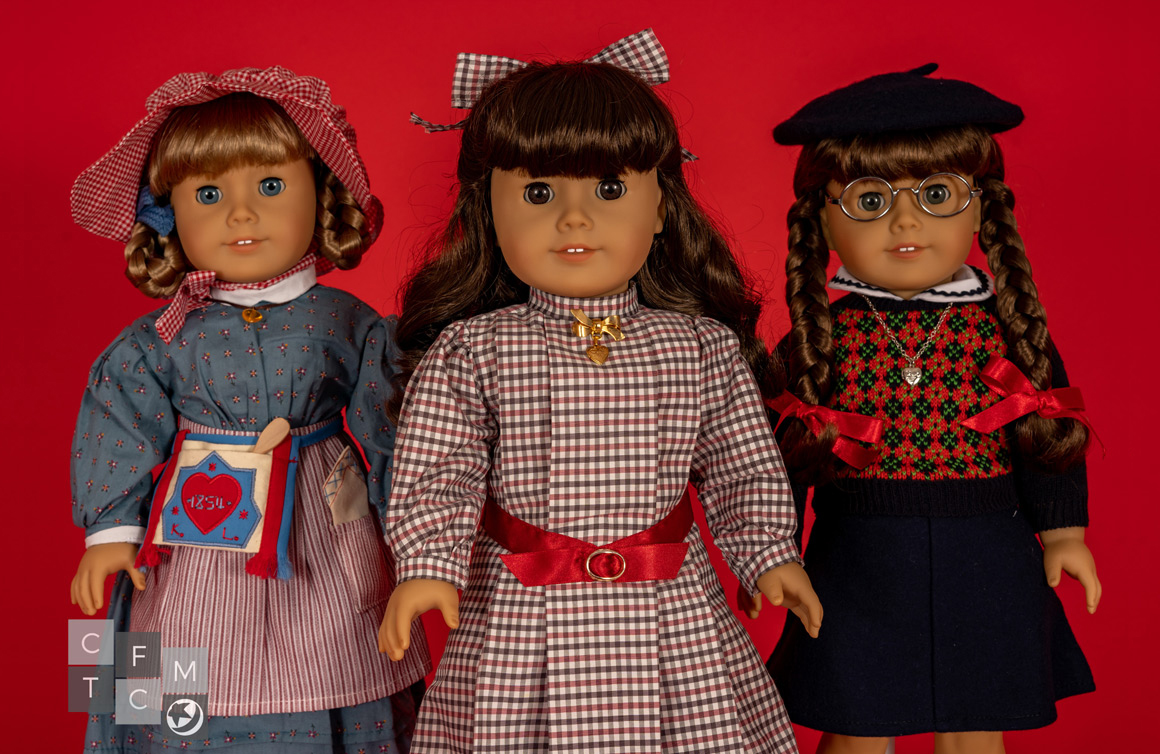
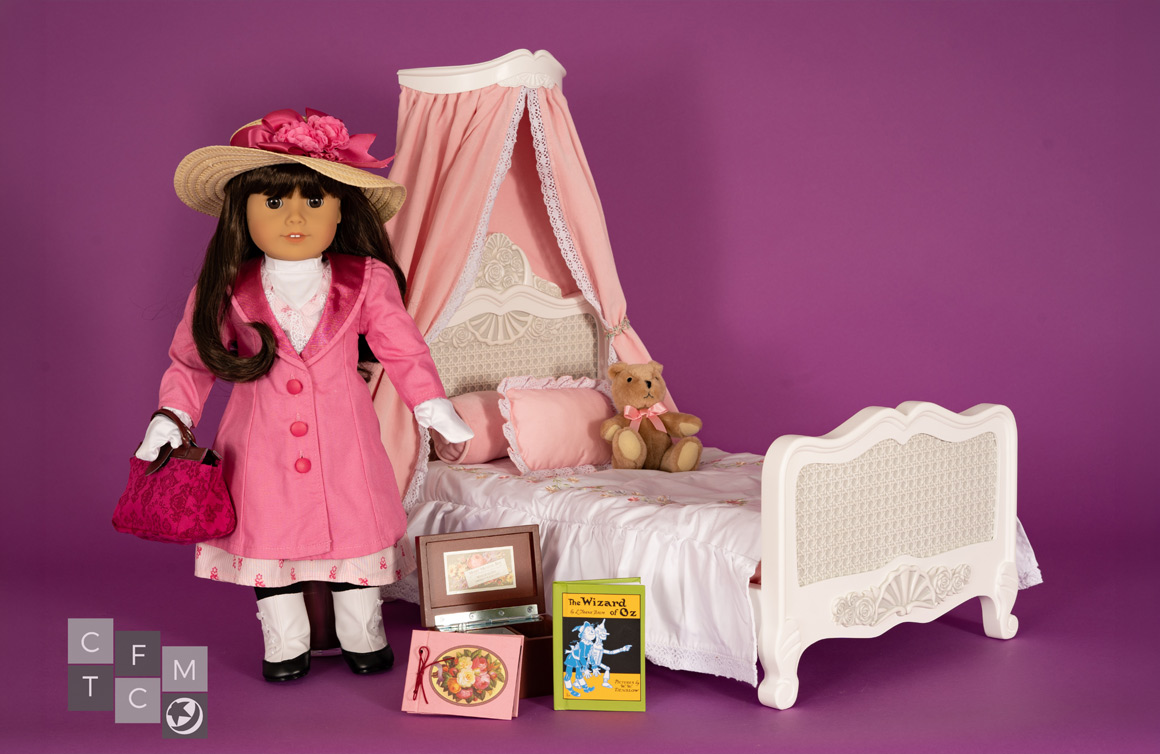
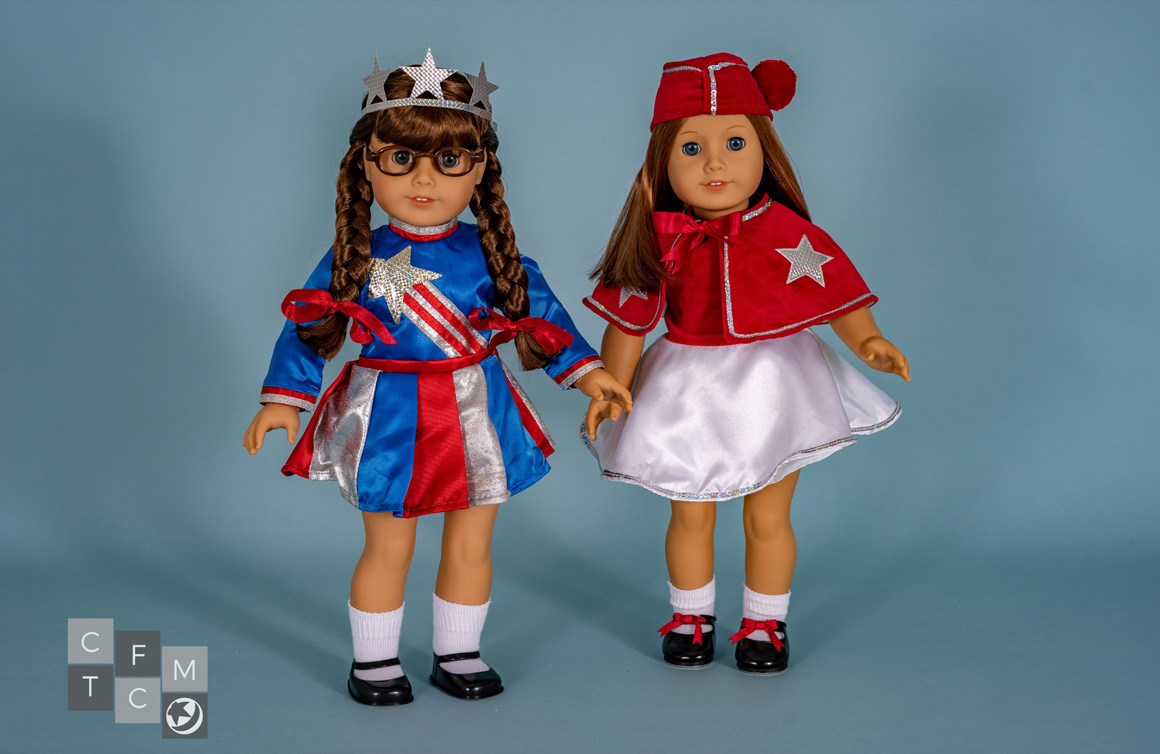
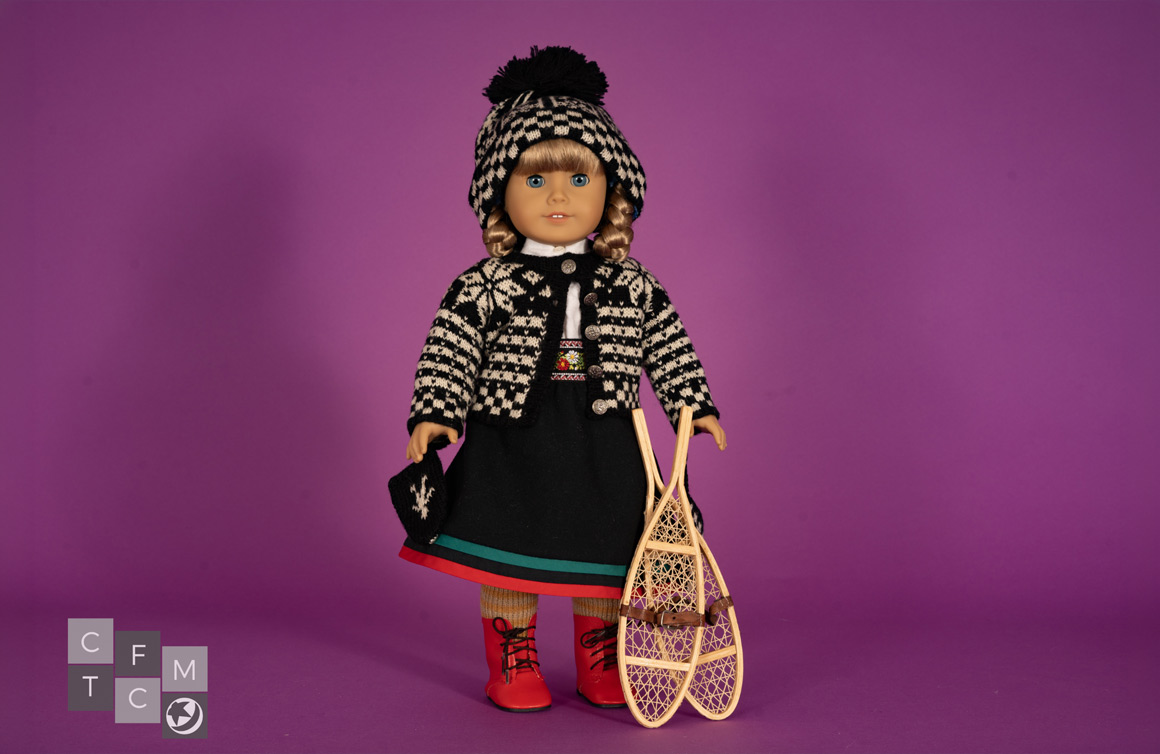
When the first three dolls of The American Girl Collection debuted in 1986 with accompanying books and accessories—Kirsten Larson, a pioneer girl of strength and spirit who settles on the Minnesota frontier in 1854; Samantha Parkington, a bright Victorian beauty, an orphan raised by her wealthy grandmother in New York in 1904; and Molly McIntire, who schemes and dreams on the home front during World War II in Illinois in 1944—something revolutionary happened.
These were not simply toys, but historically grounded characters whose worlds were built through research, narrative, and material culture. Pleasant envisioned a model that echoed a miniature Colonial Williamsburg, where story and object worked together to make the past tangible and emotionally real.
The six-book format structured each character’s story and invited readers to move through a complete historical and personal arc. This commitment to long-form reading treated children as serious thinkers and students of history. The past was not presented as a list of dates or events to memorize, but as a lived experience seen through the eyes of a child.
To introduce the line, Pleasant mailed more than 500,000 catalogues to families across the country. The response was immediate. By Christmas of that year, the company had generated more than $1 million in sales. Within five years, Pleasant Company reached $50 million in annual revenue, and over time, the books alone sold in the hundreds of millions.
New Characters Arrive
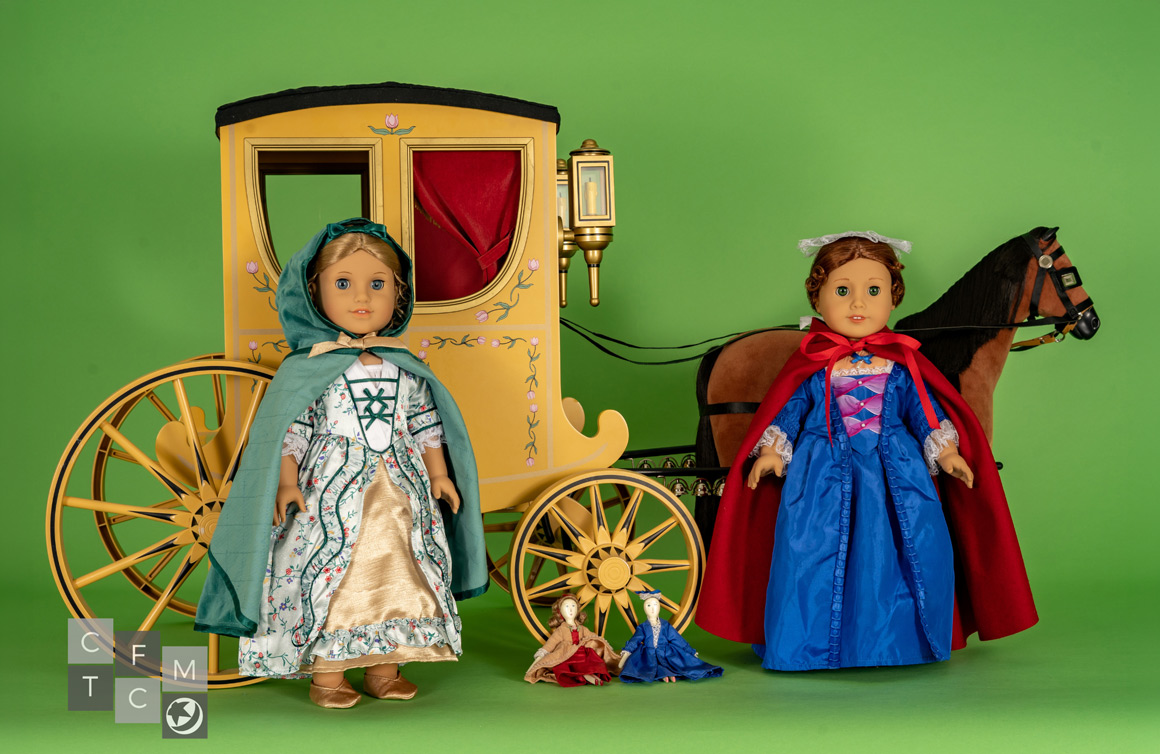
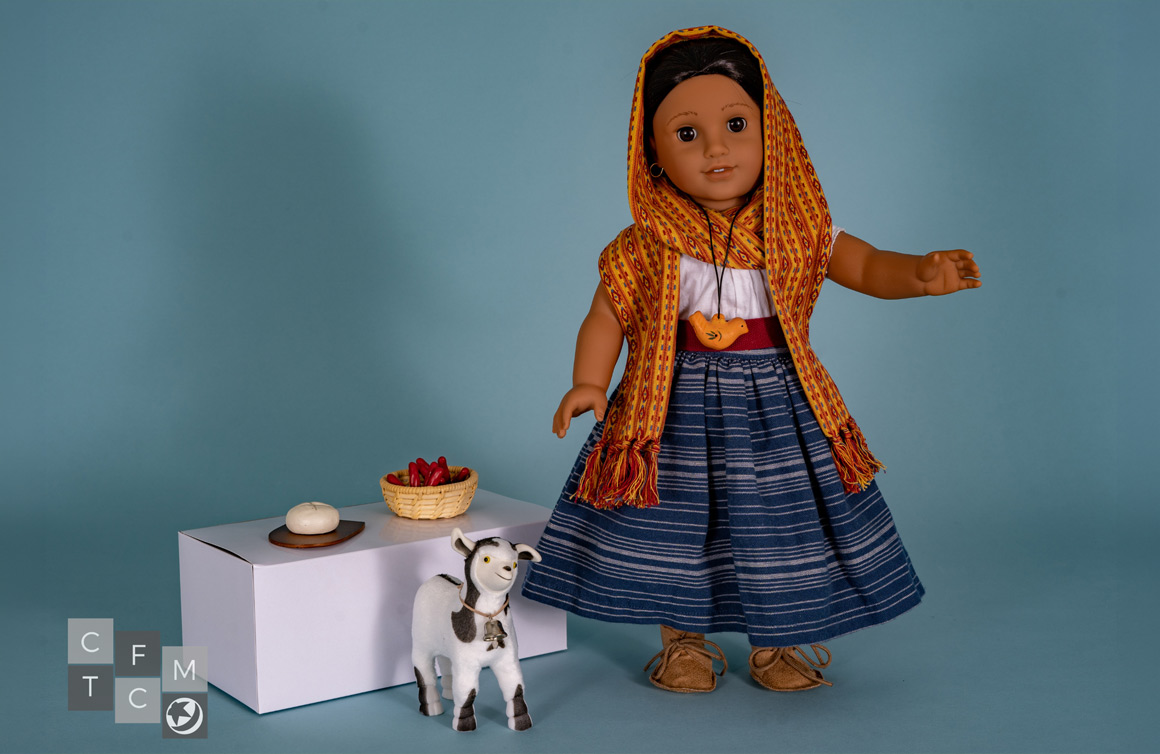
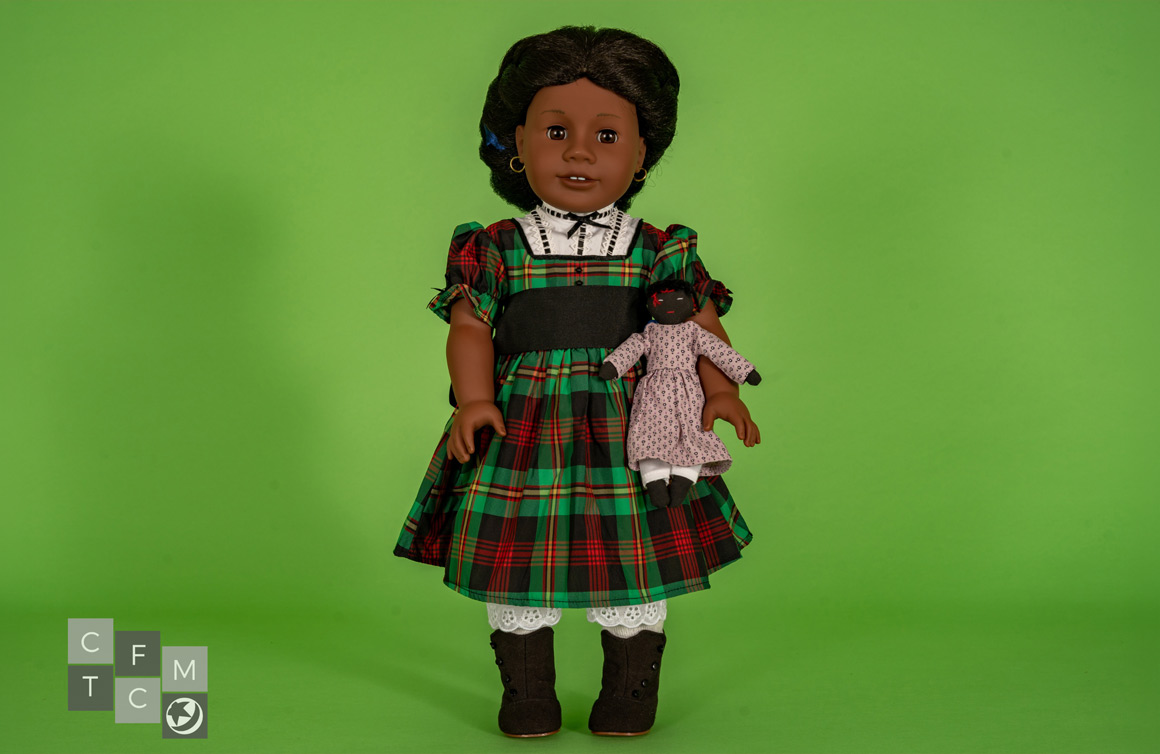
New characters were introduced, including Felicity Merriman in 1991, a spirited colonial girl whose story takes place in Williamsburg, Virginia, in 1774 before the Revolutionary War; Addy Walker in 1993, a courageous girl determined to be free during the Civil War in 1864; and Josefina Montoya in 1996, a Hispanic girl whose story is set in New Mexico in 1824.
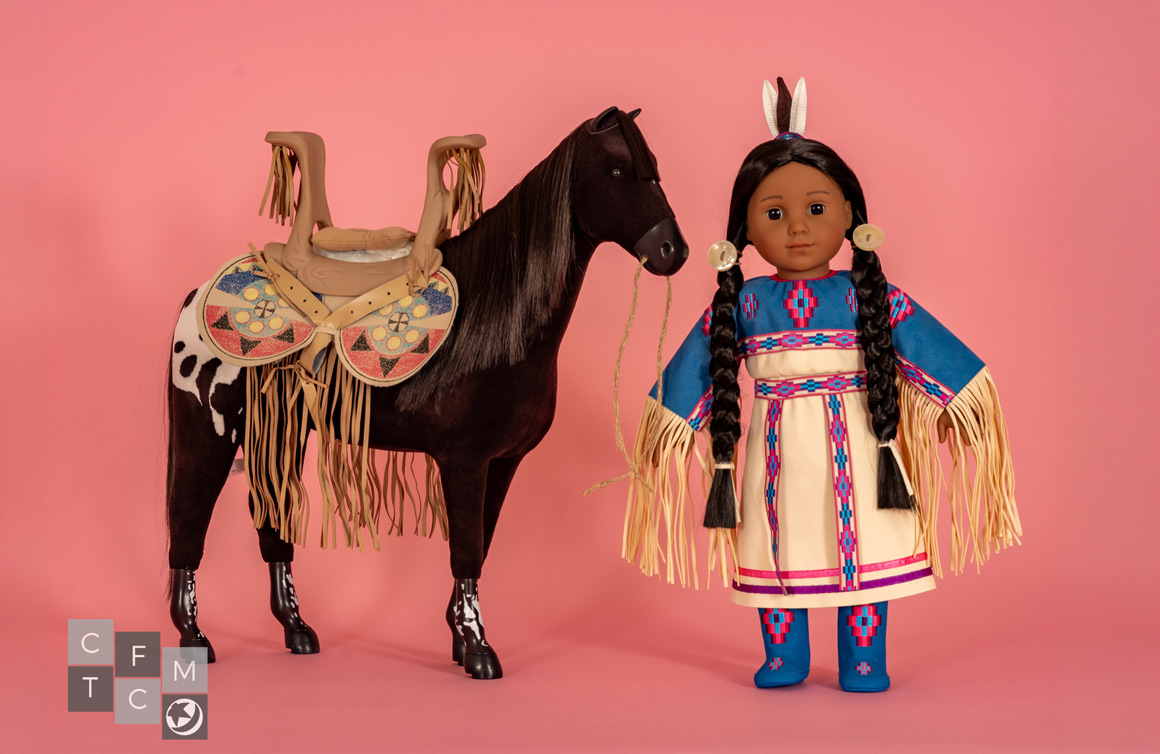
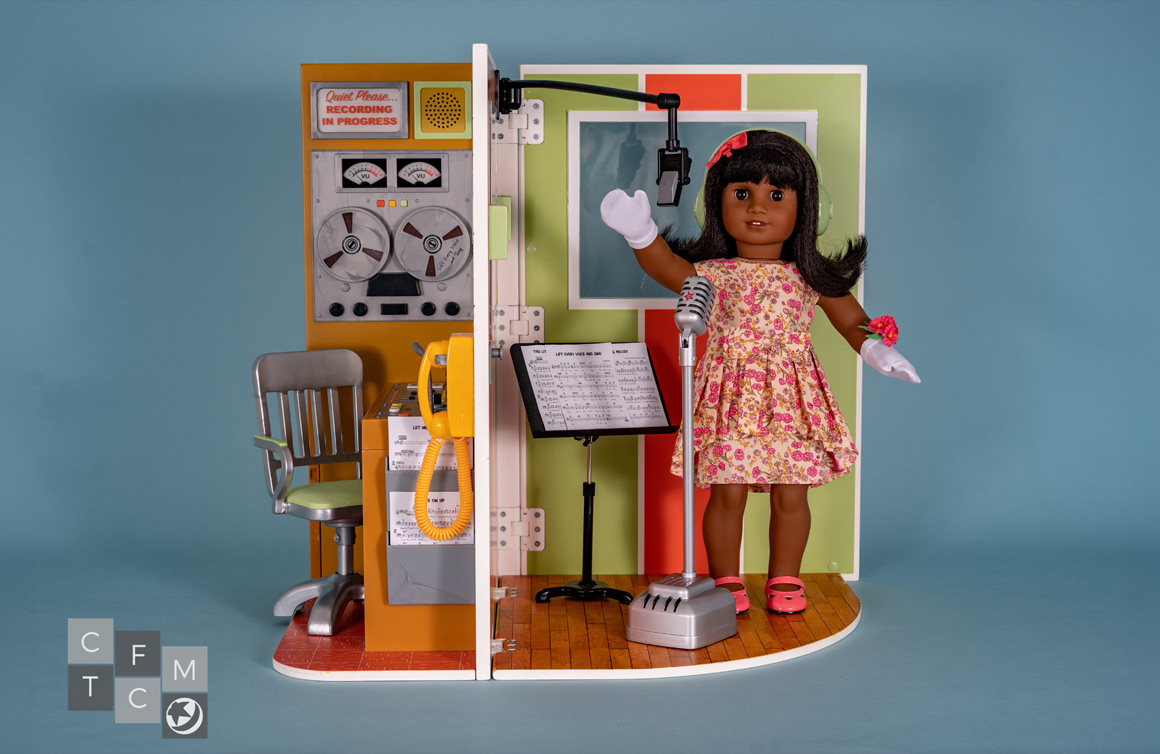
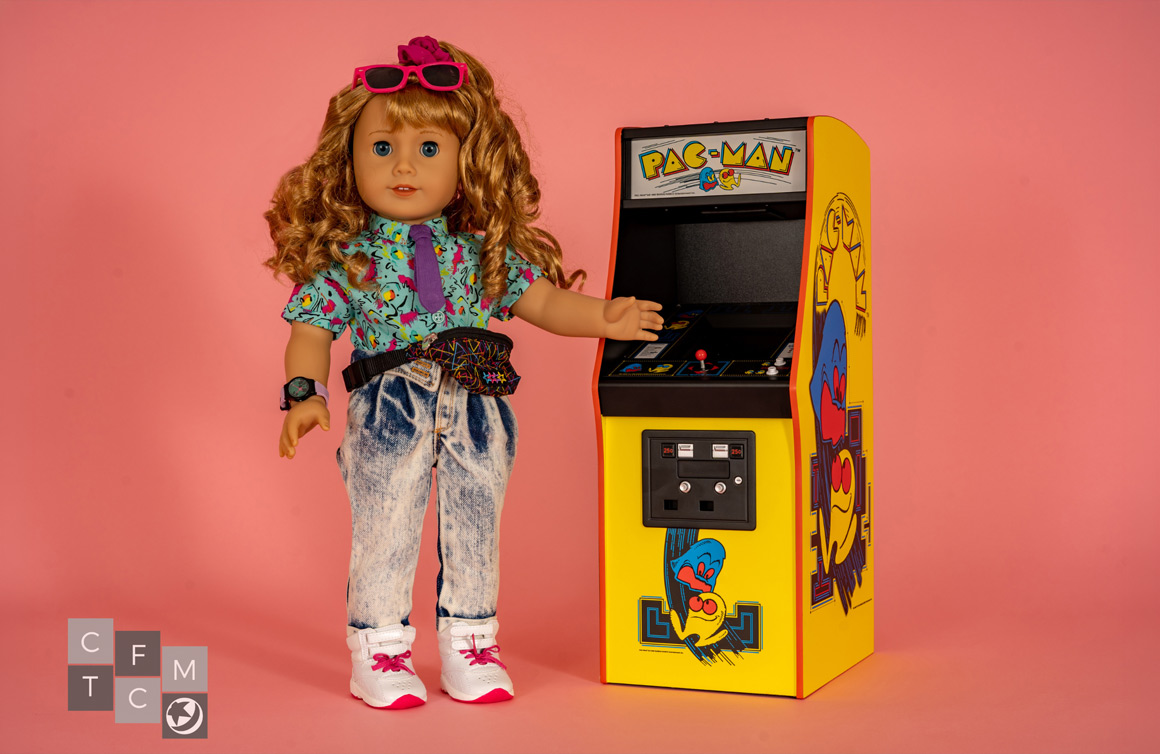
Each character expanded the historical scope and broadened the American story. Together, they opened doorways into different eras and encouraged young readers to see history not as a single narrative, but as a chorus of voices. Since its inception, 20 Historical Characters have been developed, including Kaya, a Native American girl from the Nimíipuu tribe in 1764; Melody Ellison, a girl growing up in Detroit, Michigan, during the Civil Rights Movement in 1964; and Courtney Moore, a gamer growing up with her blended family in California in 1986.
40 Years of Story and Preserving
Forty years later, American Girl remains a cultural institution built on storytelling. It has sparked independent reading, inspired research projects, and created intergenerational connections among children, parents, grandparents, educators, and collectors. It also demonstrated that a commercial product could also function as a form of curriculum, blending scholarship and storytelling in a way few brands have achieved.
Today, the original dolls, books, clothing, accessories and catalogues serve as historical documents in their own right. They reveal how a generation learned to understand the past through play, how education shaped design, and how storytelling became a form of public history. Preserving these materials ensures that the founding vision of Pleasant Company and its founder, Pleasant T. Rowland, remains accessible to scholars and young readers alike.
