


Tell us about your role at The Strong.
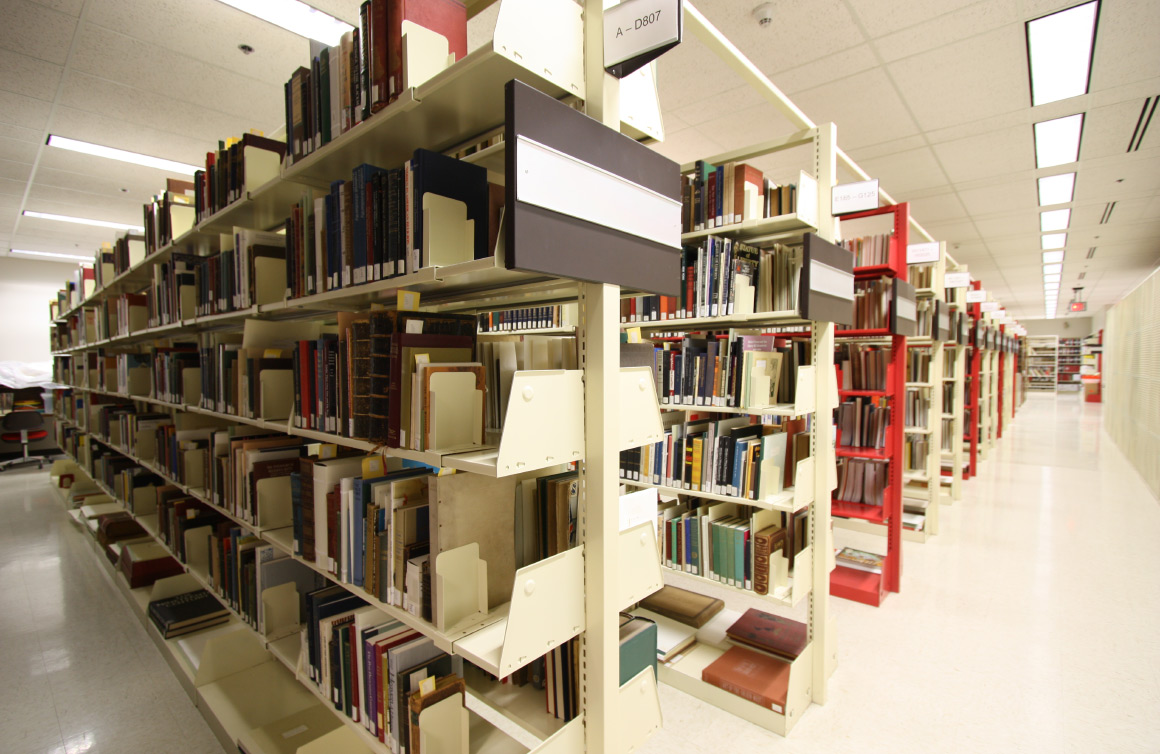
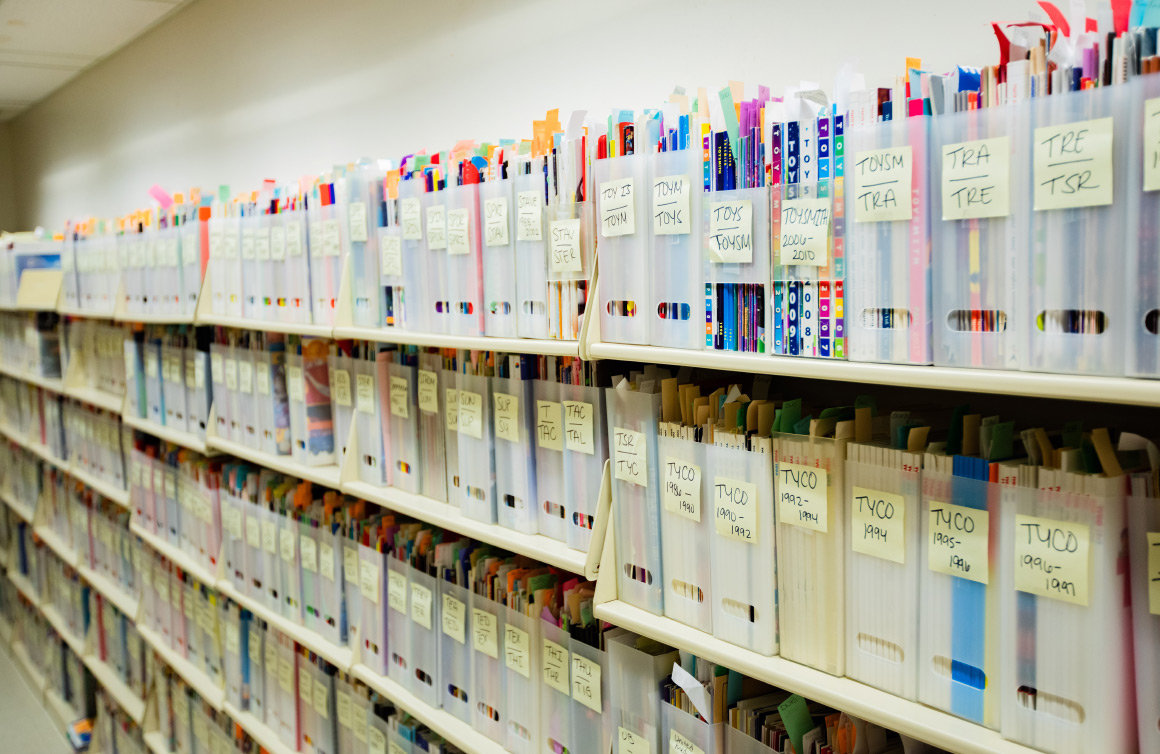
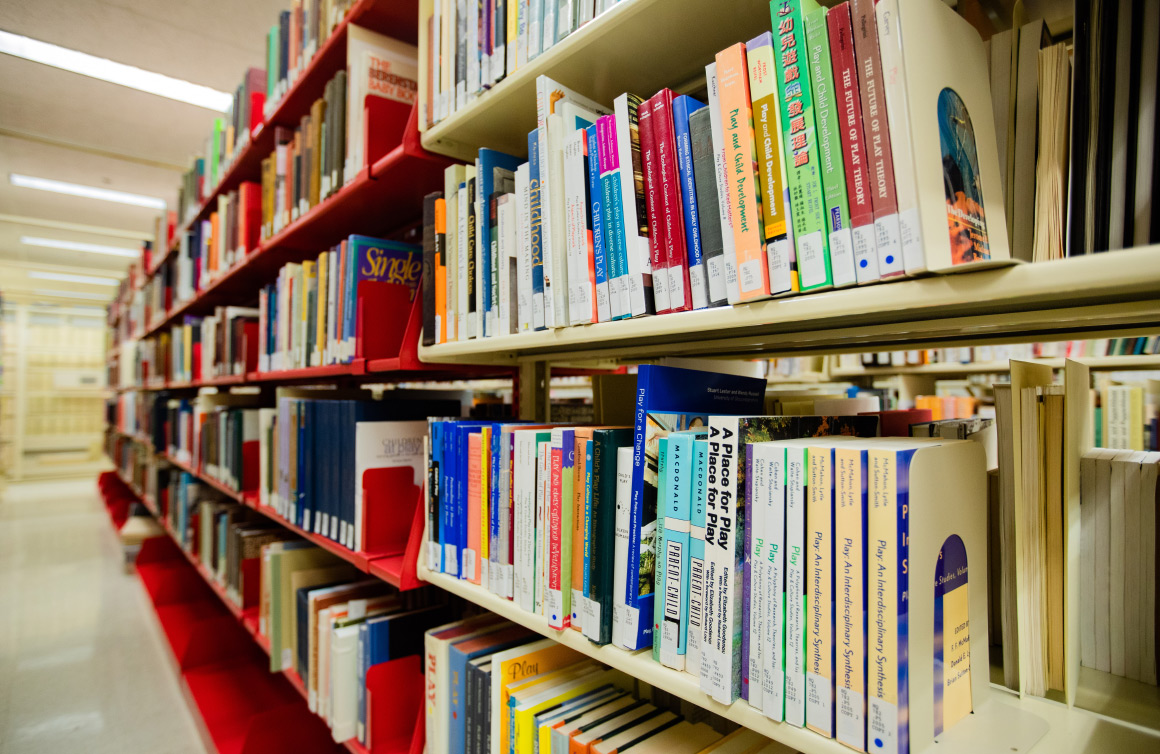
I am the director of the libraries and archives. There are two libraries in the museum: one, a public library branch dedicated to children’s literature, located throughout the museum’s public areas; and the other, a play research library with an extensive archive. In that role, I select materials for purchase, respond to donor requests, manage the team of librarians and archivists, plan new projects, and respond to requests for research appointments or assistance for remote researchers.
The role attracted me because of the varied subject matter, all connected in some way through play. Play, I have learned over the last few years, is a fascinating aspect of the human condition throughout a person’s life, touching our lives in many ways. I constantly get to consider those ideas and search for materials that document and illuminate those connections. It has been an intriguing journey so far and is only getting more interesting.

What role do museums play in preserving children’s books and related materials?
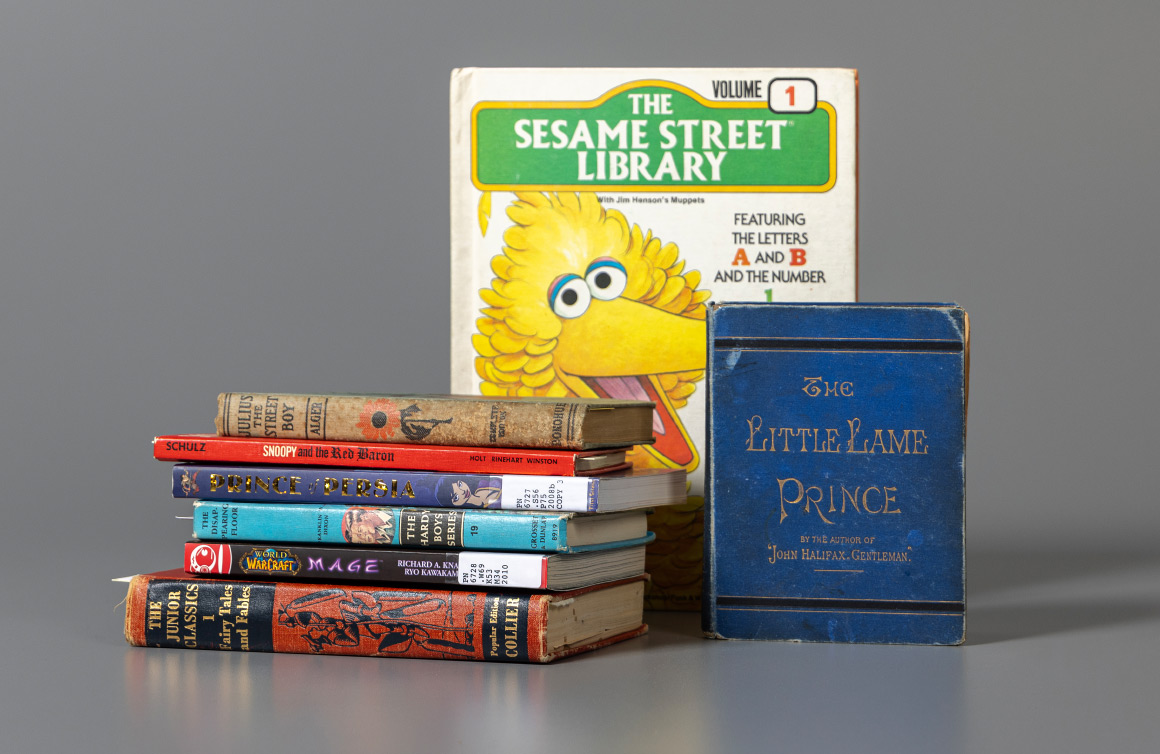
Museums like The Strong can help document rich cultural materials and their connections to history by collecting published books, ephemera, trade materials, children’s magazines, and even the records of creators and original artwork. Each of those elements is tied to the creation of books, the business of children’s publishing, and the lasting impact of texts on readers.
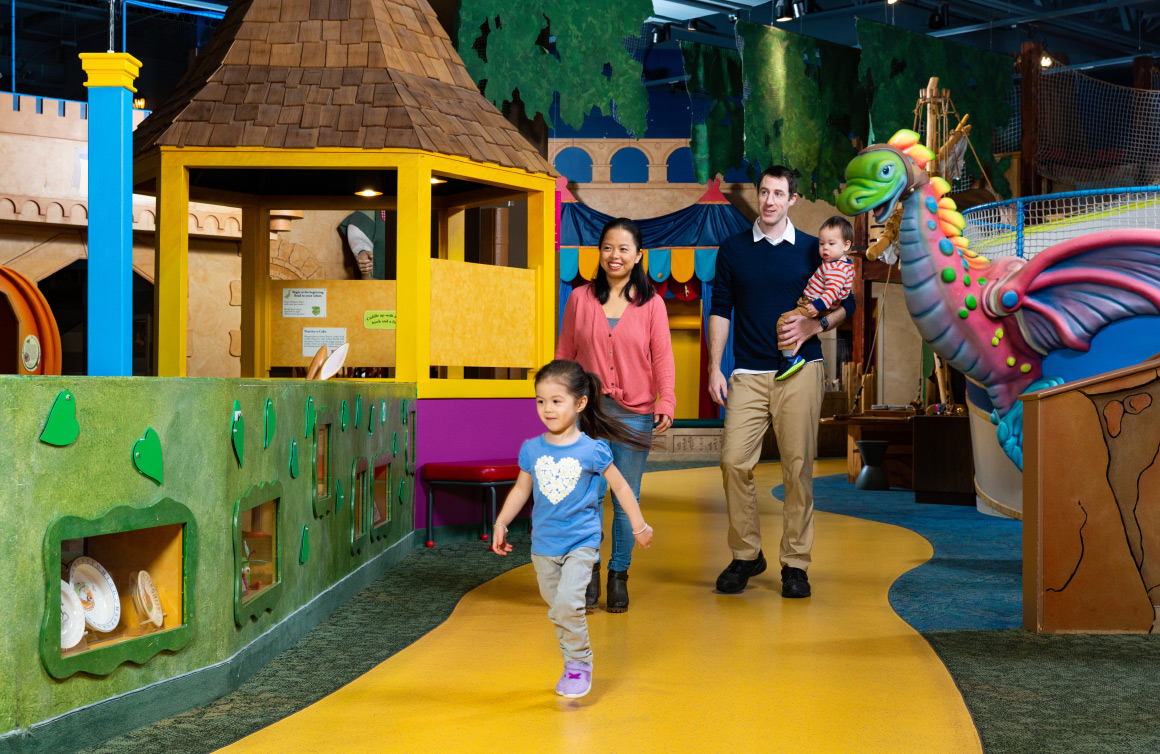
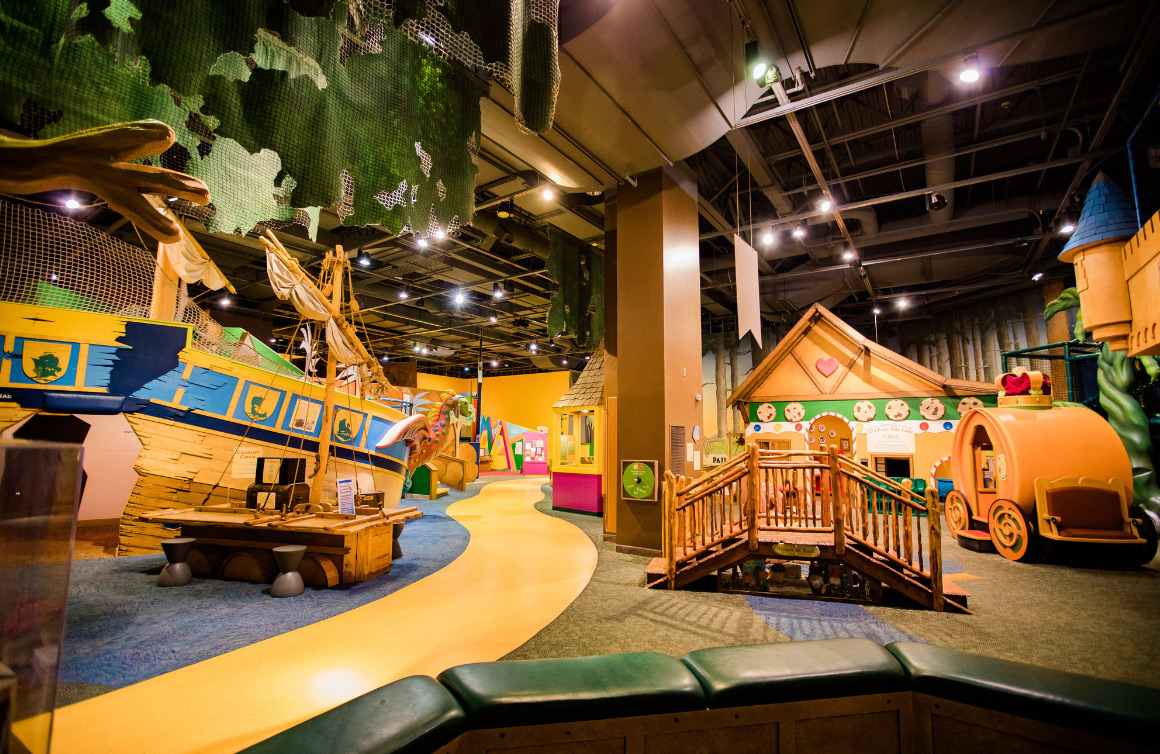
The Strong collects and preserves children’s books as a major element of documenting play in early childhood through the research library, and as a wonderful form of play itself. This adds another layer to the museum experience by encouraging guests, young and old, to read a children’s book or check them out through the public library branch. Another aspect of preservation is presenting and interpreting the material for new audiences. Here at The Strong, that happens through exhibits like Reading Adventureland and Sesame Street, for example.
The role of children’s literature also appears within the history of toys and media from time to time.
Why is it important to treat children’s books as cultural artifacts rather than just nostalgic objects?
Children’s books are multifaceted in what they encompass and therefore may appear in a variety of library and museum collections for many reasons. That gives them a very interesting role as cultural artifacts.
Children’s books encapsulate human aspirations. They deliver these messages through joyful forms of literary and visual creativity. These elements are intended to excite a child (and frequently the parent) and draw them into a conversation (of sorts) with the text and pictures. That relationship is extremely powerful. Memories of that interaction may linger for a lifetime. The nostalgia those memories evoke later in life is often expressed here at the museum. I find myself thinking about my own childhood memories of books as well. Those memories can be quite powerful.
The other side of that conversation between reader and text is a teaching element to help build a young reader’s understanding of narrative complexity, self-knowledge, language, and culture. The teaching is often done in a playful way.
Children’s publishing during the twentieth century also became intertwined with the business of play, with connections to toy brands and broadcast programming. That element adds another layer of meaning. Suddenly, we see cross-marketing of books as toys or television programs (sometimes internationally), or, perhaps (especially later in the 20th century), toys becoming books, or any other possible combination. Think about the array of Barbie books and products, for example!
The meanings of children’s literature become much richer and more interesting as the publishing industry becomes increasingly interconnected.
What do these works tell us about the societies and eras in which they were published?
Children’s books tell us who we are and who we want our children to become within the framework of cultural boundaries. Over time, that perspective shifts, of course, as historical moments change. For us here at The Strong, this is a key insight into how a culture plays or expresses playfulness. It is an idea that we work to document, preserve, interpret and share in interactive and engaging ways.
Preserving these materials allows the ongoing exploration of meaning to continue.
How does preserving classic children’s literature help shape how we understand childhood and culture?
I would not use the word classic to describe how we collect. To my way of thinking, ‘classic’ seems narrower than I would like.
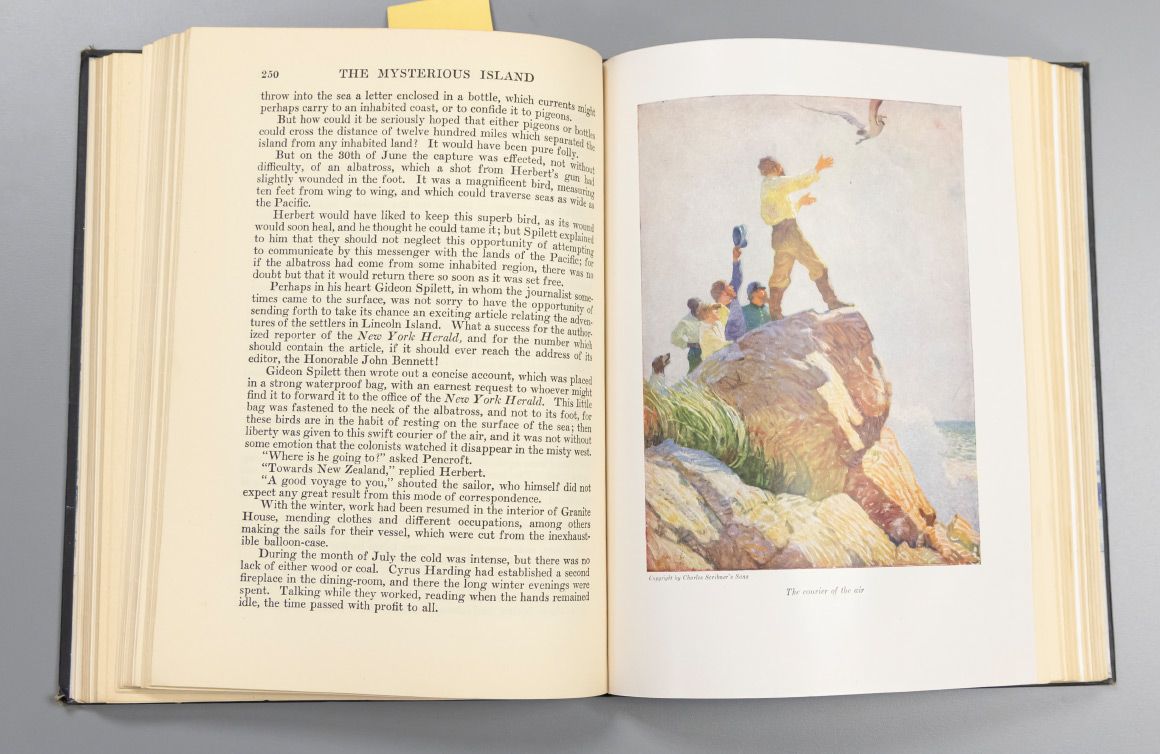
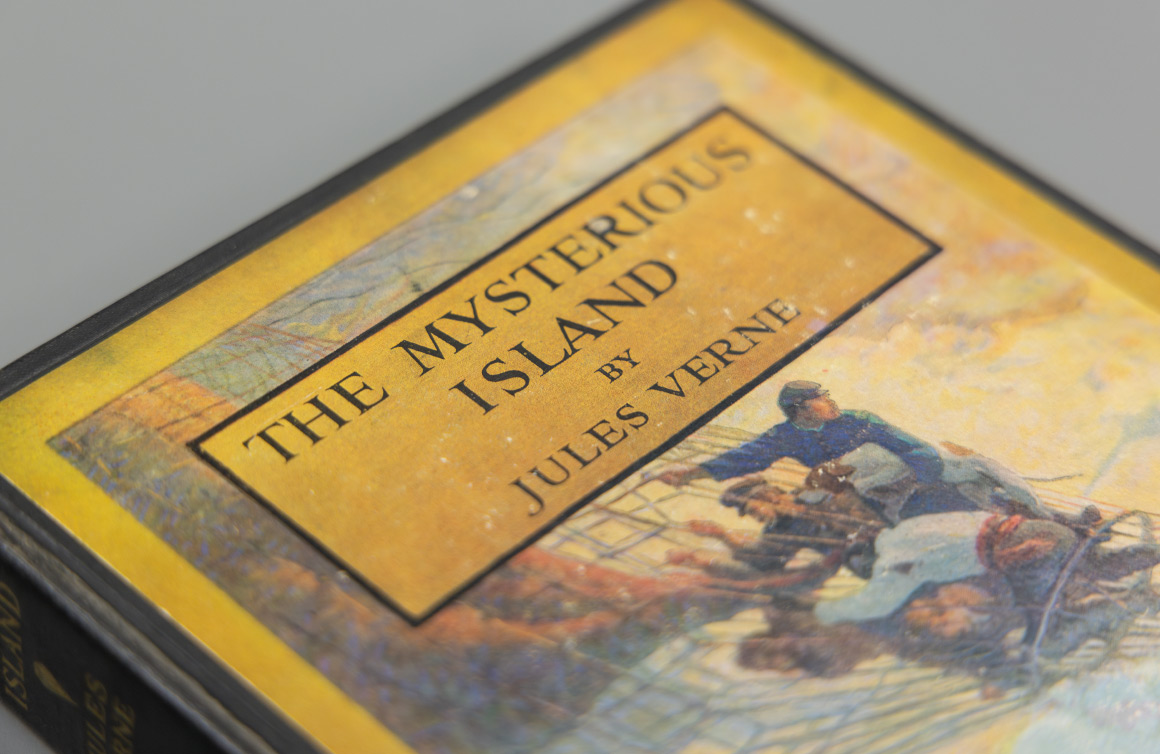
I work to build a collection that is deep and broad enough to support future study and inquiry. Today’s classics may not be considered useful or relevant by future scholars. Think about how many very popular 19th-century texts are not commonly read today. The idea of what might be considered classic changes depending on the perspective from which one approaches children’s books.
This is a deep question that scholars may continue to study and debate. I am not sure that I am qualified to answer definitively. I believe that preserving children’s literature allows for ongoing exploration of its development over time. From my perspective, there is great insight to be gained by asking about meaning across generations. Humans continually evolve culturally in response to stimuli and cultural forces around them.
Continually asking about the meanings of children’s books from new perspectives will offer new insights. Think about the cultural impact of video games over the last few decades, or the rise in popularity of manga. Both introduce new types of stories and ways of telling them that differ significantly from earlier forms.
Learn more about The Strong National Museum of Play.