 Let it float. It’s National Bubble Week.
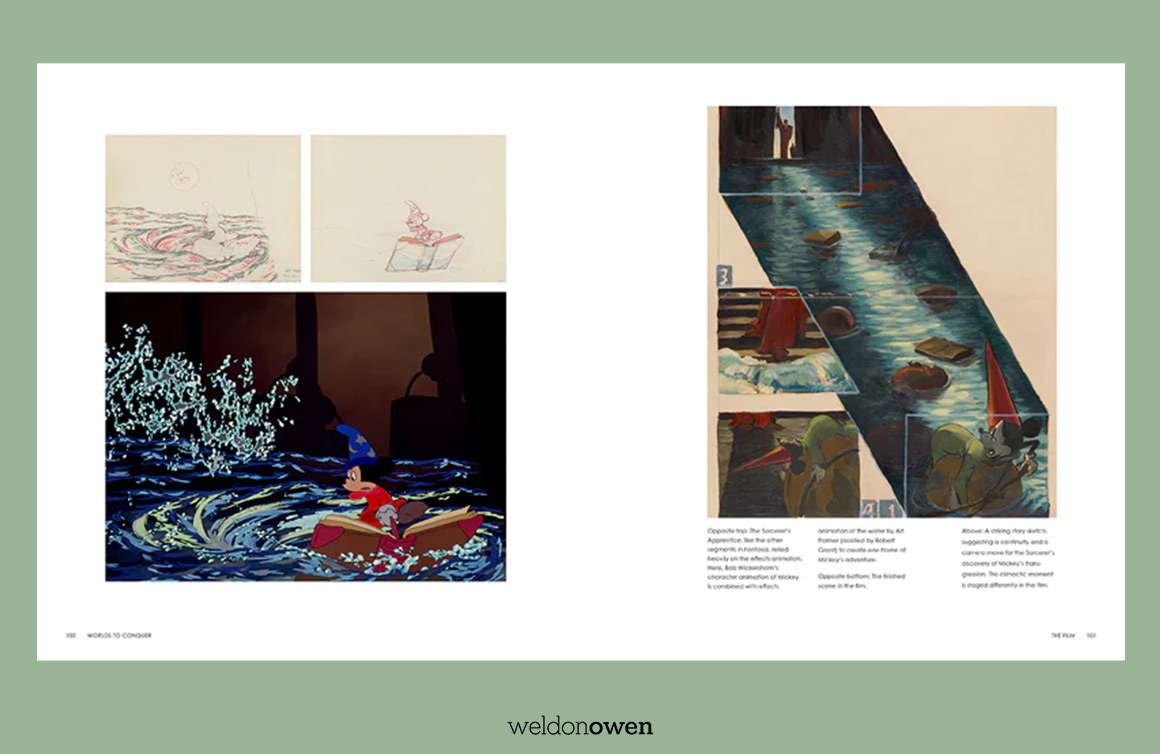
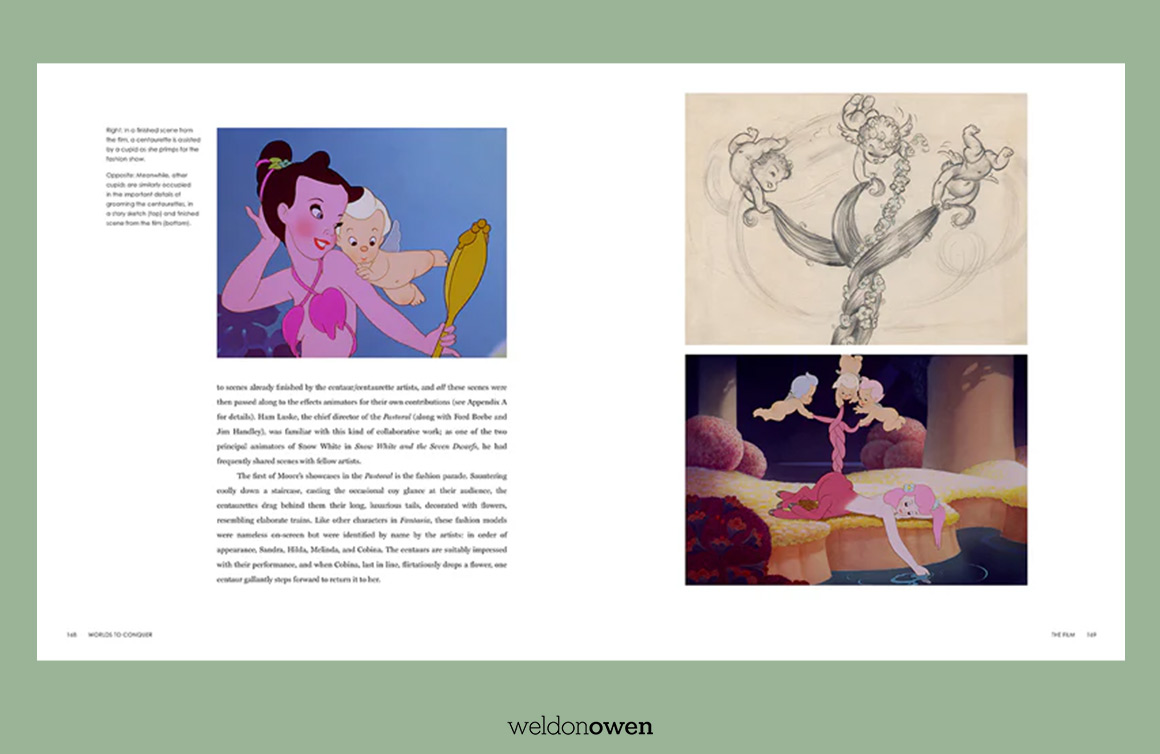
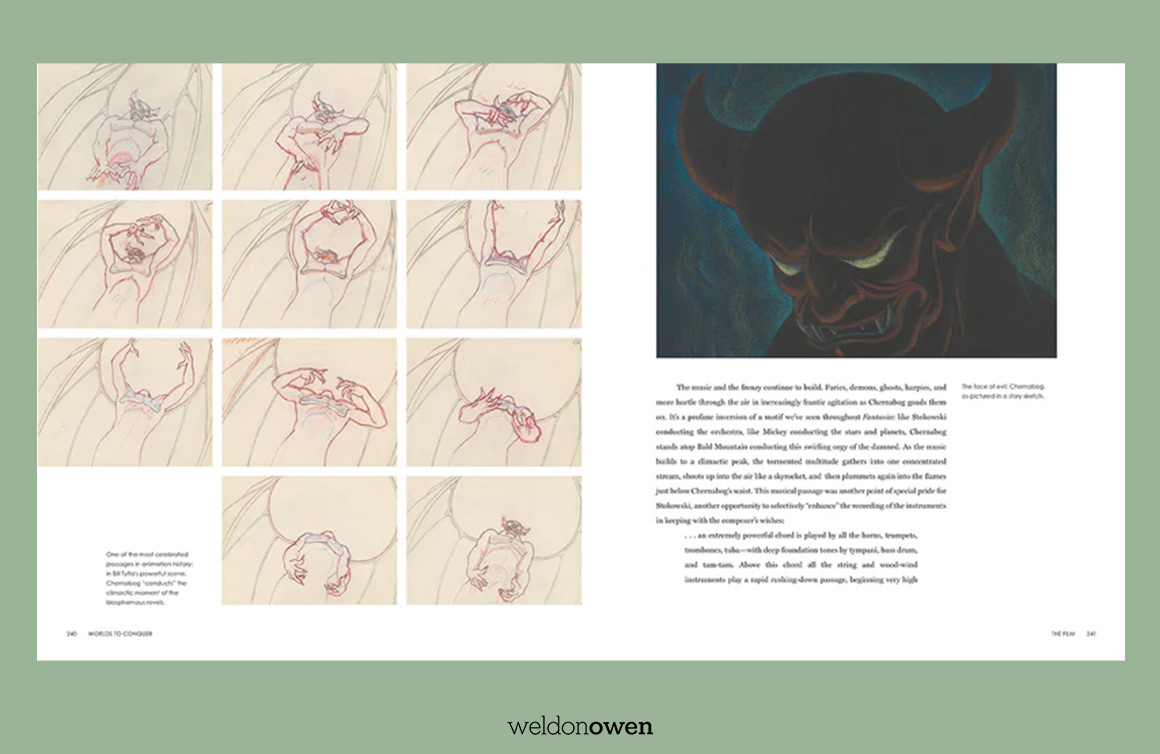
On November 13th, 1940, Walt Disney released his third feature film: Fantasia. Quite unlike anything audiences had seen before, the movie combined eight animated segments, including The Sorcerer’s Apprentice, Dance of the Hours, and Igor Stravinsky’s The Rite of Spring, with classical music performed by the Philadelphia Orchestra. The result was an award-winning blend of imagery and sounds that still feels revolutionary 85 years later.
At its debut, Fantasia stunned viewers with both its ambition and technical innovation. It was the first film to use Fantasound, an early stereo system developed by Disney engineers that used multiple tracks and speakers to create an audio experience similar to that of a concert hall. Although World War II limited its international release, the film’s influence grew over time. Today, it’s celebrated not just as entertainment but as a bold experiment within the field of art.
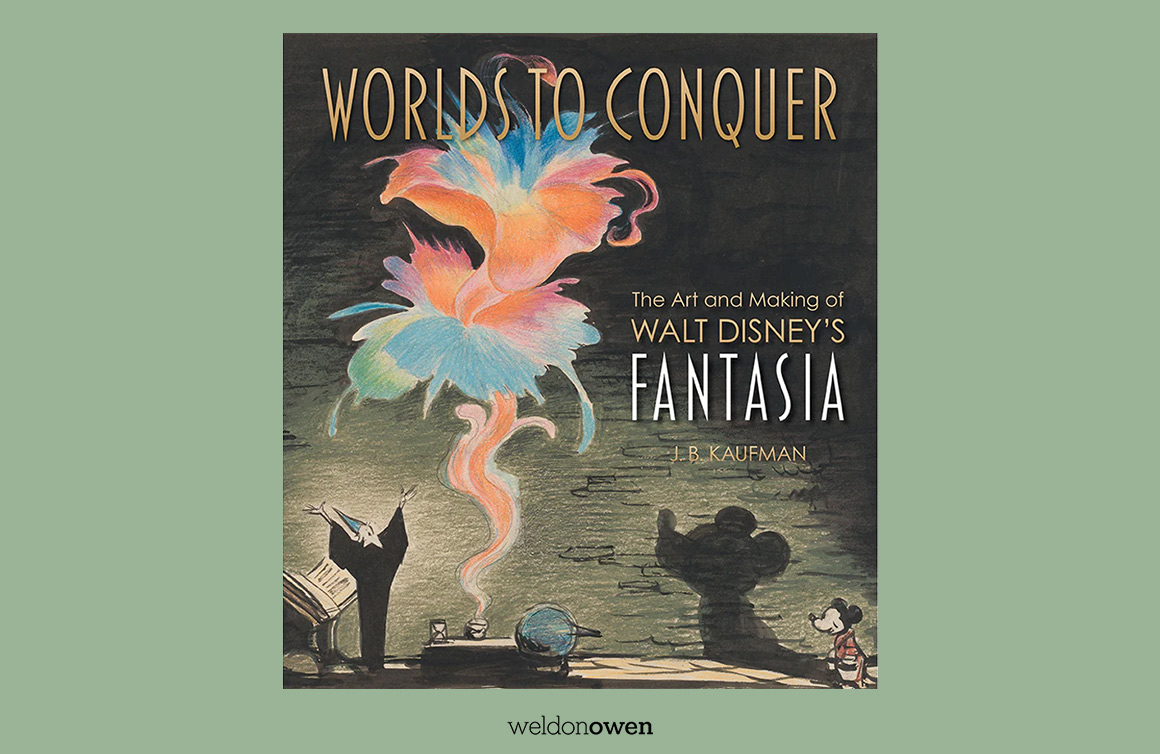
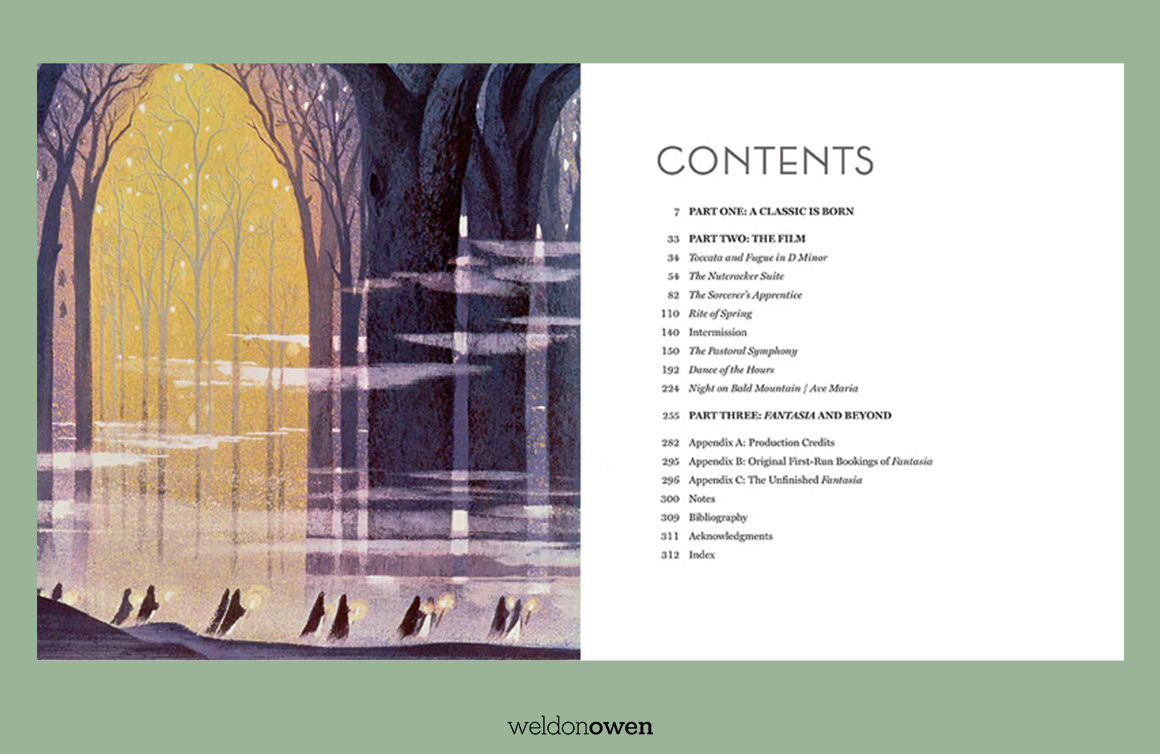
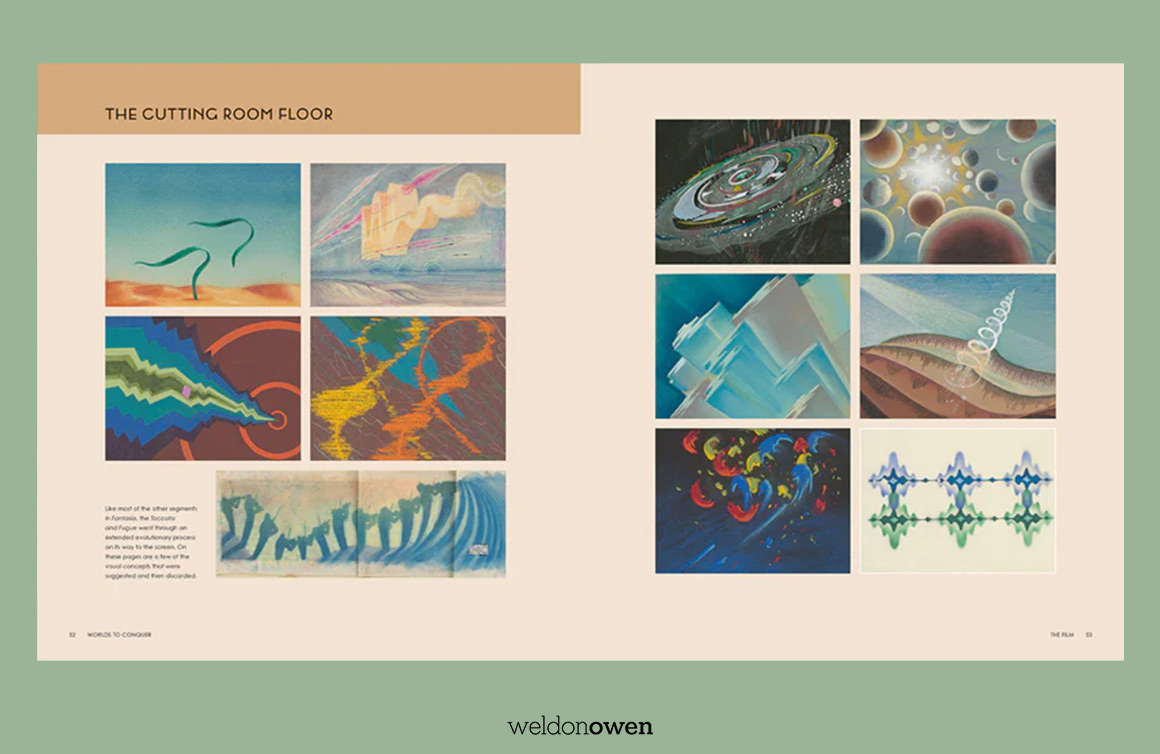
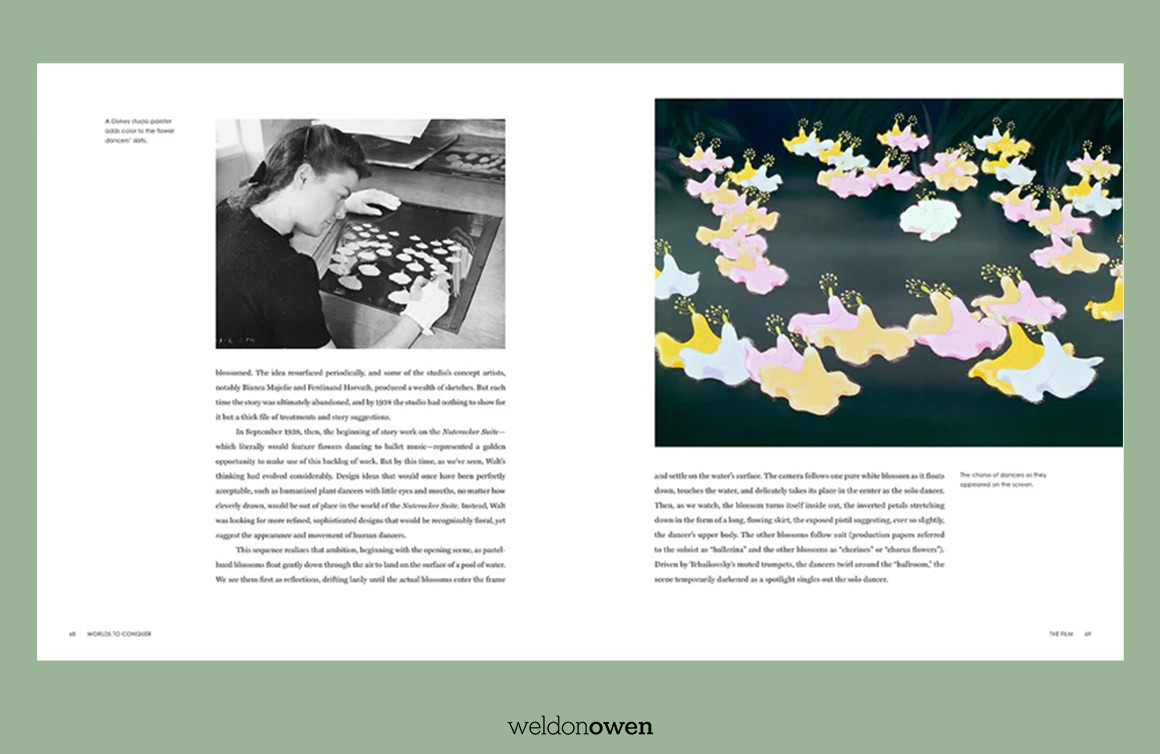
In honour of The Walt Disney Company’s 100th anniversary, Insight Editions’ Weldon Owen imprint and animation historian J.B. Kaufman have released a new book exploring the making of this timeless classic. Titled Worlds to Conquer: The Art & Making of Walt Disney’s Fantasia, the 320-page hardcover takes readers behind the scenes of the film’s creation. From early concept sketches to final orchestral recordings, it highlights the animation and sound techniques that made the movie so unique. The book is also packed with hundreds of rare photos, production notes, script pages, and insights from the creators who helped bring Walt Disney’s vision to the silver screen.
Available now through the Insight Editions website for $60 USD, Worlds to Conquer is a must-have for Disney fans and film lovers alike. It’s an engaging, beautifully curated look at one of the most imaginative films ever made and a wonderful reminder of the magic that’s possible when music, art, and storytelling come together.
